
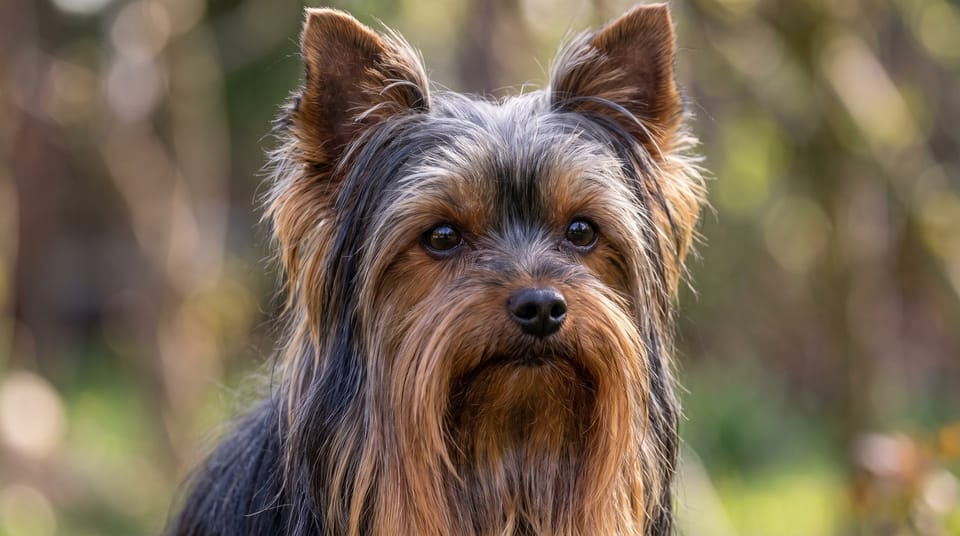
At a glance
- Group
- Toy
- Size
- Toy
- Weight
- 4–7 lb
- Height
- 7–8 in
- Lifespan
- 11–15 years
Temperament
The ribbon in his hair is misleading. The Yorkshire Terrier began as a working ratter in the mills and mines of northern England, and under the silk there is still a proper terrier: bold, quick, nosy and entirely sure of himself. A Yorkie will take on a dog ten times his size without a second thought, which is one reason you have to think for him.
At home he is a loving and entertaining companion. He bonds closely with his person, wants to be carried, cuddled and included, and keeps a sharp eye on everything that happens in the house. He is an excellent small alarm. This is the first hard part: Yorkies bark. A footstep in the hall, a delivery, a dog on television, all of it gets announced. Training reduces it. Nothing removes it.
He is lively indoors, trotting after you from room to room, and playful into old age. With visitors, most Yorkies are friendly once the barking is over.
We do not suggest a Yorkie for a home with children under six. He is devoted to gentle, older children, but a dog who weighs 7 pounds at most can be badly hurt by being dropped, stepped on or squeezed, and a frightened Yorkie may snap. For the same reason, supervise play with bigger dogs.
He is attached to his people and prefers not to be alone for long. Three or four hours is about the comfortable limit for most.
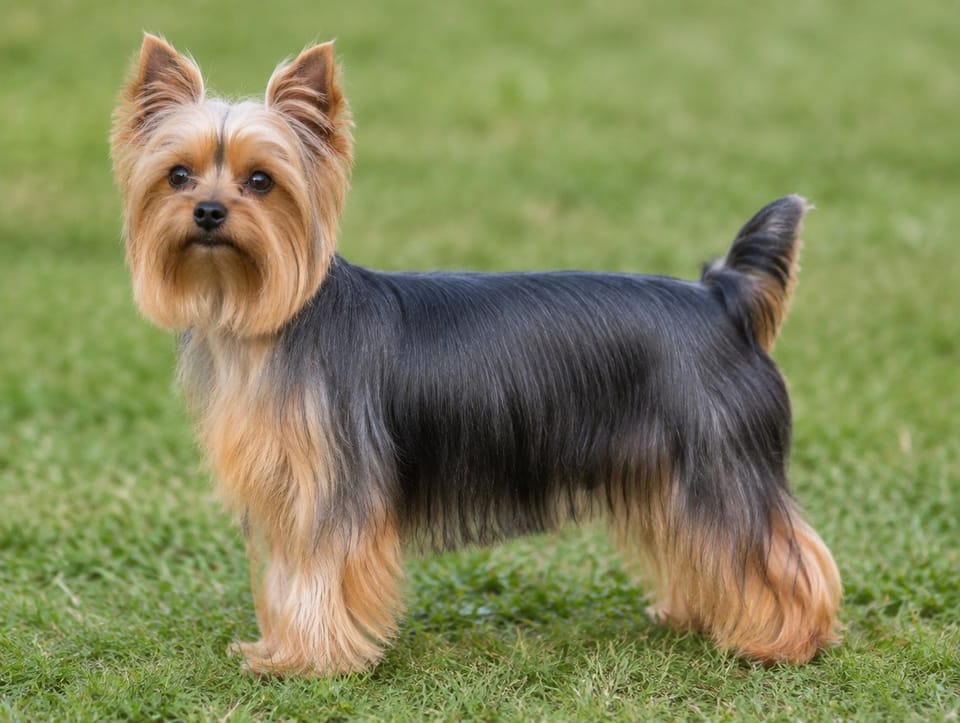
Exercise and activity
Yorkies have plenty of energy and small legs, so a little goes a long way. Two walks of 15 to 20 minutes a day, plus indoor games of fetch or chase, keep an adult fit. That makes him a good match for apartments, older owners and anyone without a yard.
Do take him out, though. A Yorkie who lives in a handbag misses the sniffing, exploring and meeting that keep a dog confident. Walk him on a harness, not a collar. The windpipe is delicate in this breed, and pressure on the neck is best avoided.
He feels the cold. With a single layer of fine hair, no undercoat and very little body mass, a Yorkie chills quickly, particularly if his coat is clipped short. A sweater or coat in winter is practical, not just decoration.
Keep an eye out for hazards a larger dog would not notice: jumping from a sofa or your arms, gaps in a fence, hawks and coyotes in some areas, and other dogs.
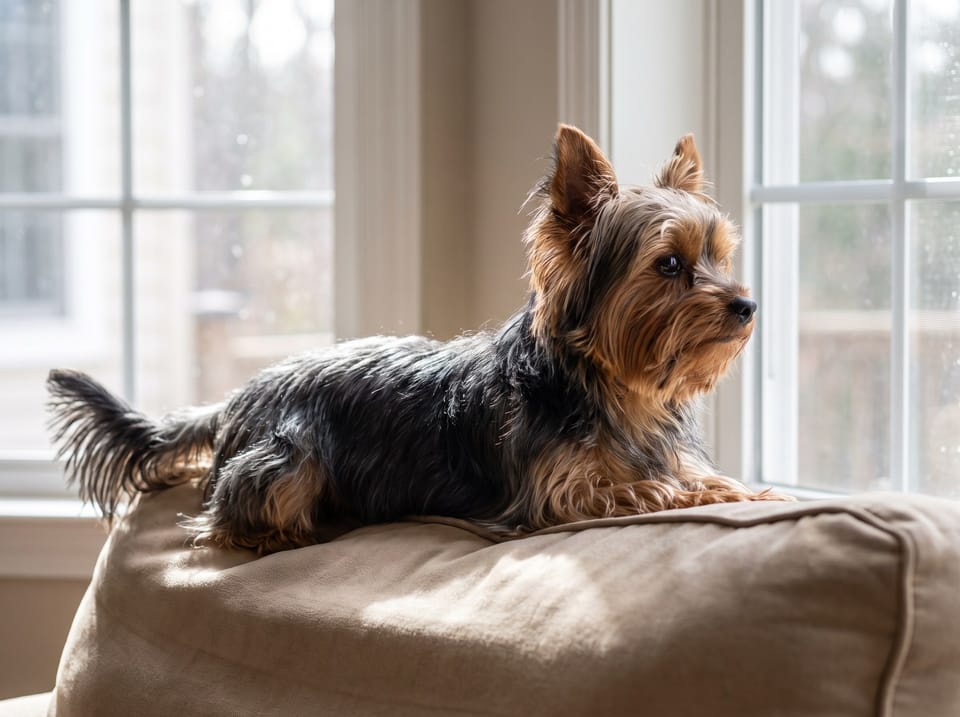
Grooming and shedding
Here is the trade. A Yorkie sheds almost nothing. His coat is fine, straight and silky, closer to human hair than to fur, and it keeps growing instead of falling out. Many people who react to dogs find him easier to live with, though no dog is truly allergen-free.
In return, the coat needs care every day. This is the second hard part. Kept long, it must be brushed and combed daily, about ten minutes, or it tangles and mats. The hair on the head is tied up in a topknot or trimmed so it stays out of his eyes and food.
Most pet owners choose a short "puppy cut" instead. It still needs brushing two or three times a week and a trip to the groomer every four to six weeks, so allow for that cost.
Bathe every week or two, long coat or short. Wipe the corners of the eyes daily. Check the ears weekly.
Teeth matter more in this breed than in most. Yorkies have small, crowded mouths, they often keep baby teeth that should have fallen out, and they build up tartar quickly. Brush every day if you can, and ask your vet about dental checks.
Training
Yorkies are bright and quick to learn, and many love performing tricks for an audience. They respond well to praise, play and tiny treats. Keep lessons to five minutes and make them fun. Like most terriers, a Yorkie has his own ideas, and he will lose interest in drilling.
House training is the well-known challenge. Toy breeds have small bladders and need to go often, and many Yorkies object to rain and cold. Expect it to take months. Take your puppy out very frequently, reward him immediately, and keep to a schedule. Some owners of very small dogs choose an indoor potty area as a permanent backup.
The biggest mistake with a Yorkie is treating him like a toy. If he is carried everywhere, never asked to follow a rule, and scooped up whenever he barks at another dog, he becomes yappy, snappy and anxious. Let him walk on his own four feet. Teach sit, come, "quiet" and a calm greeting, exactly as you would with a big dog.
Socialize him early with gentle people and calm dogs of suitable size. Teach him to be comfortable alone in short, gradual steps. Get him used to brushing, face-wiping and tooth-brushing from the first week.
Health watchlist
Yorkies are generally long-lived, often 11 to 15 years, but there are several conditions to know about.
Slipping kneecaps are common, as in many toy breeds. Limiting how high your dog jumps, especially as a puppy, is sensible. A hip condition seen in small breeds, in which the top of the thigh bone breaks down, also occurs.
A collapsing windpipe can cause a dry, honking cough, which is another reason for the harness. Liver shunt, a defect present from birth in which blood bypasses the liver, is more common in Yorkies than in most breeds. Dental disease is close to universal without care. Very small puppies can suffer dangerous drops in blood sugar, so ask your vet how often yours should eat.
The Yorkshire Terrier Club of America's recommended screening for breeding dogs covers the kneecaps and eyes. Ask to see the results.
Be very wary of anyone selling "teacup" Yorkies. It is not a recognized variety. The breed standard simply sets a 7-pound maximum, and dogs deliberately bred to be tiny tend to be more fragile and to have more health problems.
Talk to your vet about dental care, a healthy weight and what to watch for in a toy breed.
Is this breed right for you?
A great fit if
- you live in an apartment or a small home
- you want very little dog hair around the house
- you enjoy grooming, or are happy to pay a groomer
- you want a lively, affectionate dog who can travel with you
- your household is adults or older, gentle children
Think twice if
- you have children under six or a large, boisterous dog
- barking would cause trouble with neighbors
- daily brushing and tooth-brushing sound like a chore
- you want a rugged outdoor companion
- the dog would be alone for a full working day
Similar breeds
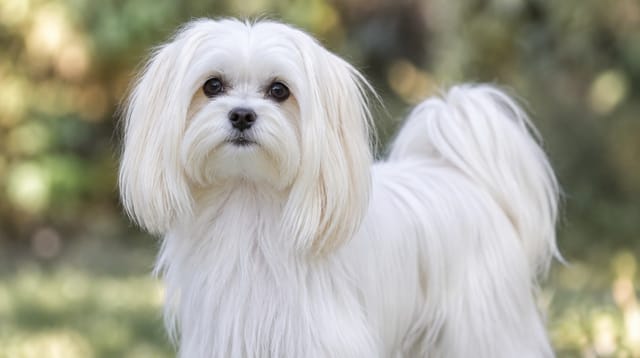 MalteseA tiny, playful, low-shedding lap dog who needs daily coat care and company for most of the day.
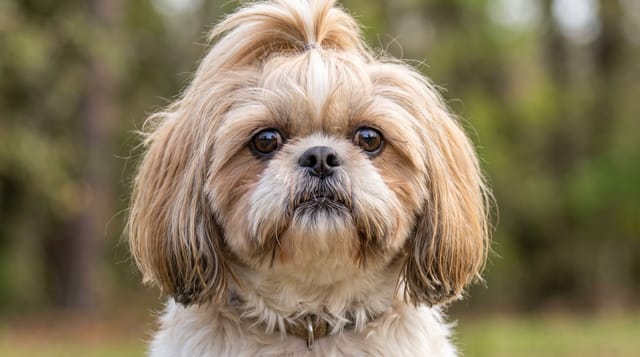 Shih TzuA friendly, low-shedding lap dog that needs little exercise but daily brushing or regular clipping.
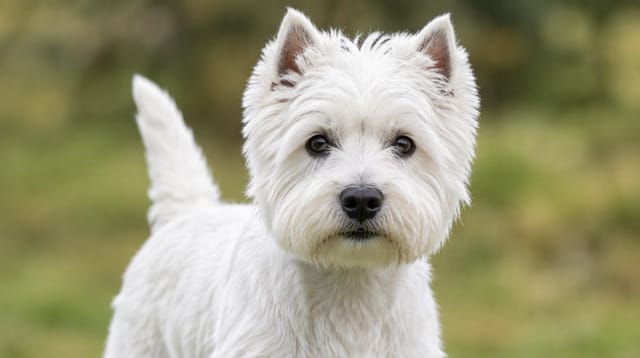 West Highland White TerrierA sturdy, cheerful, self-assured little terrier who barks, digs, chases and is prone to itchy skin.