
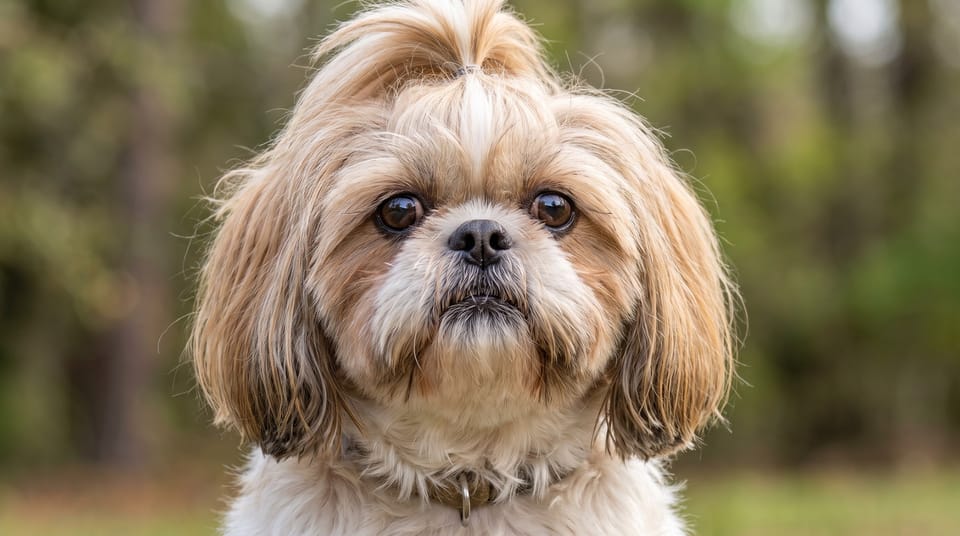
At a glance
- Group
- Toy
- Size
- Small
- Weight
- 9–16 lb
- Height
- 9–10.5 in
- Lifespan
- 10–18 years
Temperament
The Shih Tzu has had one job for about a thousand years, and it is sitting with people. Bred as a palace companion in imperial China, he has no urge to herd, hunt, guard or retrieve. What he wants is your lap, your attention and a soft place to nap near you.
That makes him one of the easiest dogs to live with day to day. A Shih Tzu is cheerful, trusting and friendly with nearly everyone: family, visitors, children, other dogs, the cat. He is playful in short bursts and then content to settle. He is less yappy than many small breeds. Most will announce a knock at the door and then go back to what they were doing.
He is also a little bit royal about it. Shih Tzus are charming and they know it, and they are good at getting their own way. Many owners find they have been trained by the dog, not the other way around.
He is sturdier than he looks, but he is still a small dog with large, exposed eyes. Teach young children to sit on the floor to hold him and never to grab at his face. He likes company and does best where someone is home for much of the day, though most adults cope with three or four hours alone.
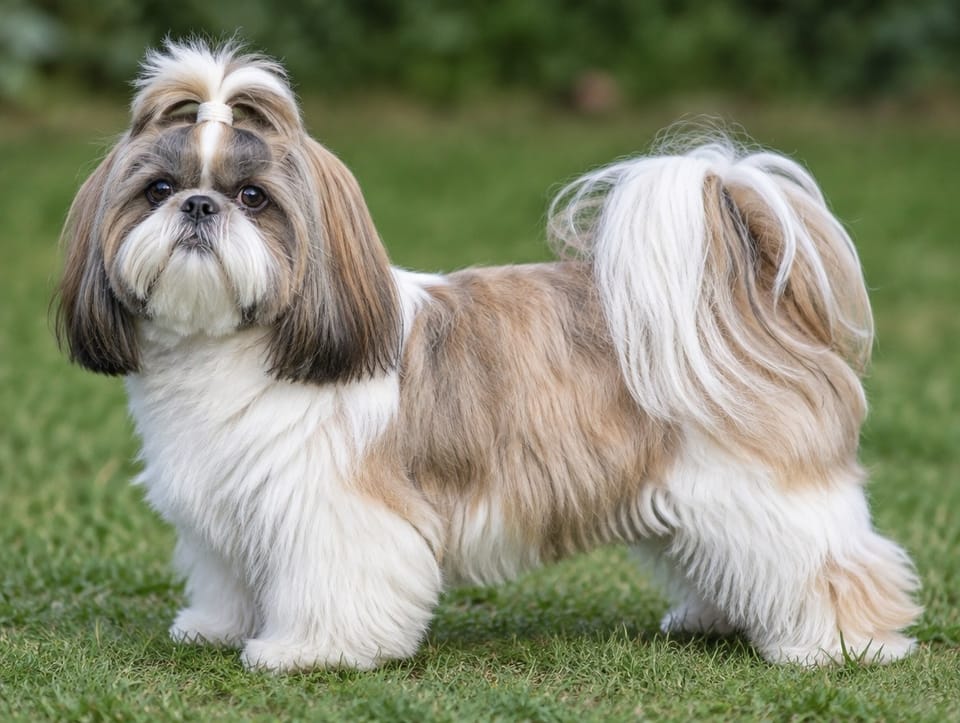
Exercise and activity
A Shih Tzu needs very little exercise. Two gentle walks of 15 to 20 minutes a day and some indoor play are enough for most adults. He will happily chase a toy down the hallway and consider that a workout.
This makes him an ideal dog for apartments, for older owners and for anyone who is not especially active. He is not built for jogging or long hikes, and he will not ask for them.
Heat is the first hard part. The short, flat face means he cannot cool himself well by panting, and the heavy coat does not help. Shih Tzus overheat easily. In warm weather, walk early or late, keep it brief, carry water and stay in the shade. On hot, humid days a toilet break outside and a game in a cool room is plenty. Never leave him in a parked car.
Use a harness, not a collar, to keep pressure off his throat and to protect his prominent eyes from the strain of pulling.
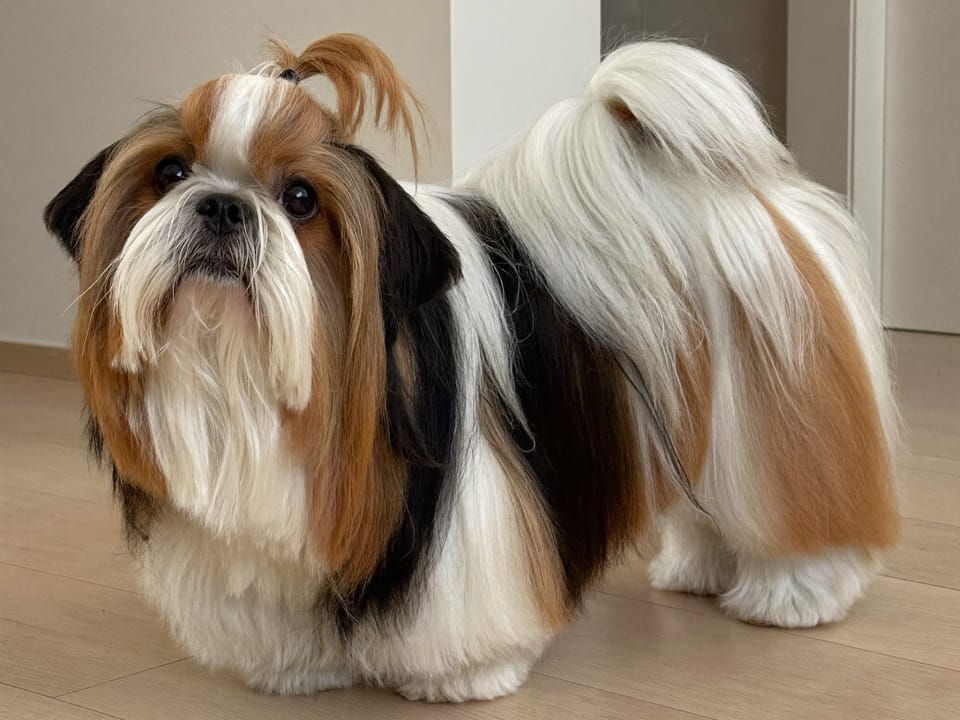
Grooming and shedding
This is the second hard part, and you should take it seriously. The Shih Tzu has a long, dense double coat of hair that keeps growing. He sheds very little onto your floor, which is a real advantage. The loose hair stays in the coat, though, and turns into mats within days if it is not brushed out.
You have two choices. Keep the coat long, and brush and comb it right down to the skin every day, which takes 15 to 20 minutes. Or have him clipped short in what groomers call a puppy cut every four to six weeks, and brush two or three times a week in between. Most pet owners choose the short clip. Either way, grooming is a permanent line in your budget and your calendar.
The face needs daily attention whatever the haircut. Wipe around the eyes with a damp cloth every day to remove discharge, and clean his mustache after meals. Keep the hair on top of the head trimmed or tied up so it does not rub his eyes.
Bathe him every three to four weeks and dry him thoroughly. Check and clean ears weekly, trim nails every three to four weeks, and brush teeth daily if you can. Small, short jaws crowd the teeth.
Training
Shih Tzus are bright and they enjoy people, so they learn willingly when training is pleasant. They also have a stubborn streak and no working drive to speak of. He does things because they are fun or because there is something in it for him.
Keep lessons short, around five minutes, and use praise and small treats. Scolding gets you nowhere. He will either sulk or turn on the charm until you give up.
House training is the common sticking point and can take several months. Take your puppy out after every meal, nap and play session, go to the same spot, and reward him as soon as he finishes. Watch him closely indoors or use a crate or pen. Small accidents are easy to miss, and every one you miss sets you back.
Because he is so appealing, it is tempting to let rules slide. Decide early about begging, barking for attention and sleeping arrangements, and have everyone in the house stick to it.
Socialize him as a puppy and get him used to being brushed, having his face wiped and visiting the groomer.
Health watchlist
Shih Tzus are often long-lived. The usual range is 10 to 18 years. Their health issues mostly follow from the short face, the large eyes and the small size.
The shortened muzzle can narrow the airway. Some Shih Tzus snore and snort and are otherwise fine, while others struggle to breathe in heat or after exertion. Short-faced dogs also need extra care under anesthesia.
Eye problems are the most frequent trouble. The eyes are large and sit in shallow sockets, so they are easily scratched or irritated by hair, and conditions such as dry eye, cataracts and corneal ulcers are seen in the breed. A squinting, red or cloudy eye should be seen by a vet promptly.
Other things to know about are kneecaps that slip out of place, hip problems, ear infections under those heavy drop ears, dental disease, and an inherited kidney condition that can appear in young dogs.
When you talk to a breeder, ask what health checks the parents have had, especially for eyes, knees, hips and kidneys, and ask to see the paperwork. Look at the parents' faces. Open nostrils and quiet breathing at rest are good signs. Avoid "imperial" or "teacup" Shih Tzus. Those are marketing terms for undersized dogs, and breeding for extra-small size adds health risks.
Keep him trim. Extra weight makes breathing and joint problems worse.
Talk to your vet about your own dog's breathing, eyes and teeth and what to watch for.
Is this breed right for you?
A great fit if
- you live in an apartment or a small home
- you want an affectionate lap dog who is friendly with everyone
- you prefer short, easy walks
- you want very little hair on your furniture
- you are home for much of the day
- this is your first dog
Think twice if
- you do not want to brush daily or pay a groomer every four to six weeks
- you live somewhere hot without air conditioning
- you want a dog for running, hiking or sports
- slow house training would frustrate you
- your children are too young to handle a small dog gently
Similar breeds
 HavaneseA cheerful, sociable small companion that suits apartments and first-time owners but hates being left alone.
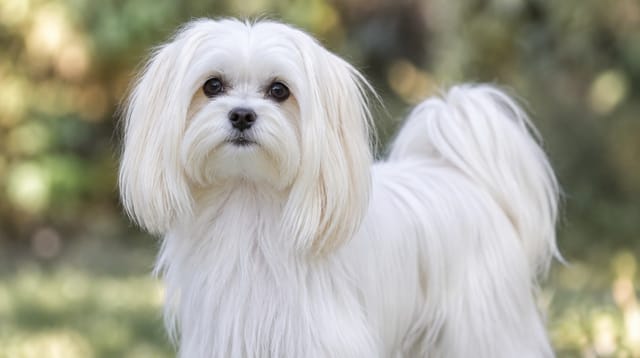 MalteseA tiny, playful, low-shedding lap dog who needs daily coat care and company for most of the day.
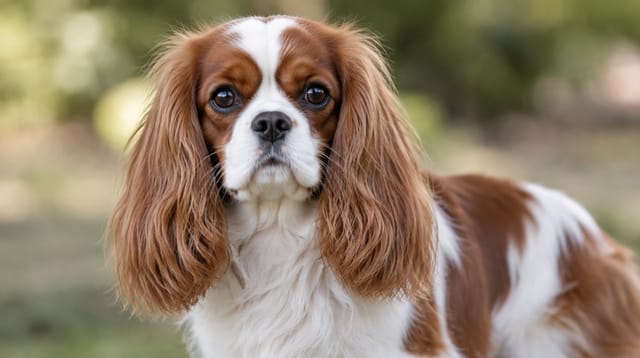 Cavalier King Charles SpanielA sweet, gentle lap spaniel who suits almost any home, with a serious inherited heart risk.