
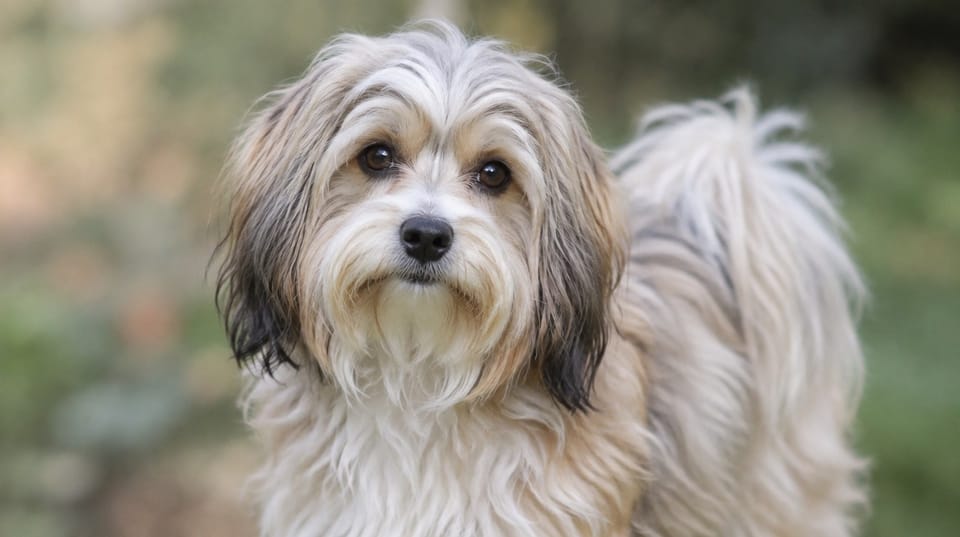
At a glance
- Group
- Toy
- Size
- Small
- Weight
- 7–13 lb
- Height
- 8.5–11.5 in
- Lifespan
- 14–16 years
Temperament
The Havanese was the lapdog of Cuban families for centuries, and he has never forgotten the job. Living with one means being accompanied. He follows you to the bathroom, waits outside the shower, and settles on the back of the sofa where he can watch both you and the street. Owners call the breed the "Velcro dog", and they say it fondly.
He is cheerful, gentle and sociable in a way that makes him easy to take anywhere. Visitors are greeted as friends. Children are playmates, and a Havanese is sturdier than he looks, which makes him one of the better small breeds for families. He usually gets along with other dogs and with cats too.
There is a clown in him as well. Havanese walk with a springy, bouncing step, learn tricks for the fun of it, and will repeat anything that made you laugh.
The hard part is the other side of all that devotion. A Havanese does not like being alone. Two or three hours is fine for most adults once they have been taught to expect it. Left for a working day, many become distressed, bark and chew. If the house is empty from nine to five, this is not your breed.
He will also bark to tell you someone is at the door, and some carry on a little longer than needed.
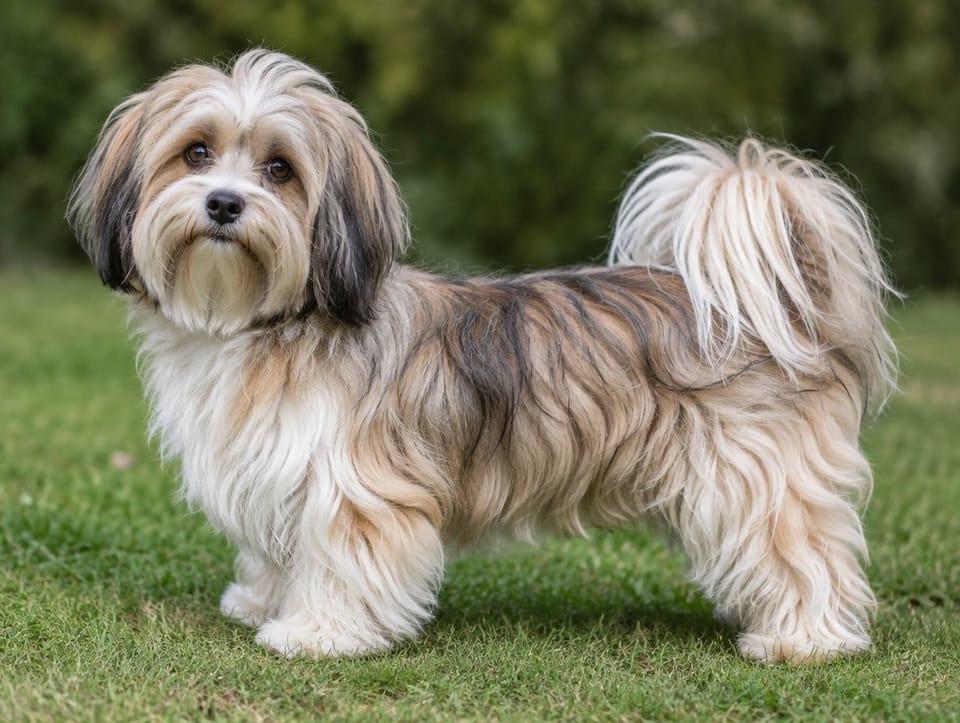
Exercise and activity
A Havanese needs about 30 to 45 minutes of activity a day. A 20-minute walk morning and evening covers it, and on a wet day a game of fetch in the hallway and some trick practice will do instead. He is as happy in an apartment as in a house with a yard.
He is livelier than most lapdogs and enjoys more if you offer it. Many Havanese do well at agility and rally, and they will hike a couple of miles on a cool day without complaint. Just do not expect a running partner.
The long coat was meant as a sunshade in a hot country, and it is light and silky instead of dense. He still feels the heat on a humid summer afternoon, so walk early or late and bring water. In cold, wet weather the coat soaks through and he chills quickly. A jacket helps.
Because he is small, keep him on a leash or inside a fence. A Havanese has little road sense and a friendly wish to greet every dog he sees.
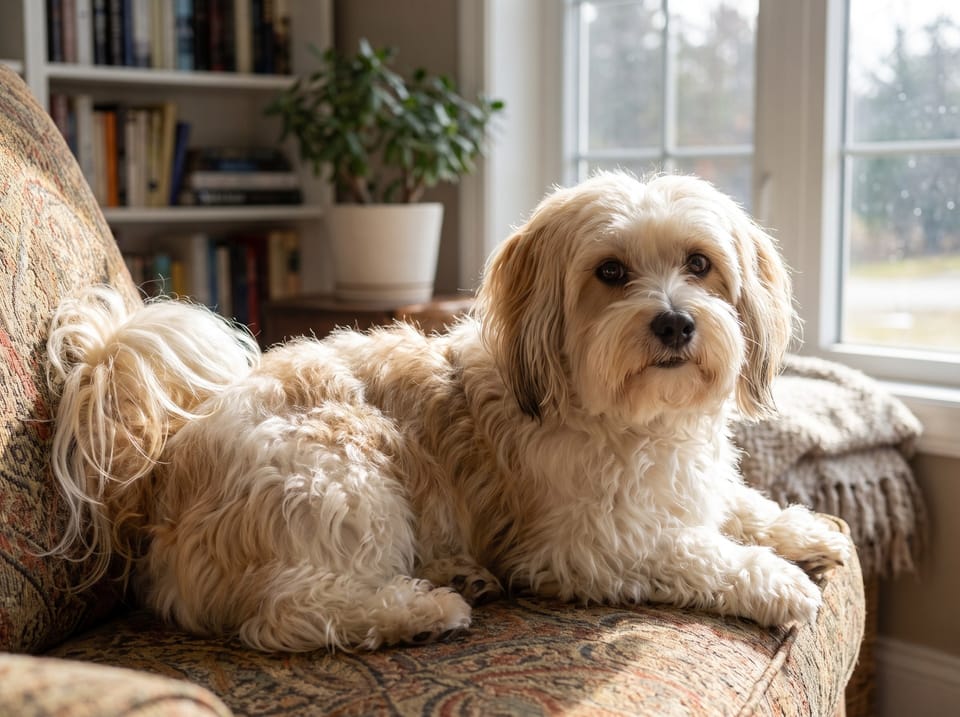
Grooming and shedding
This is the second hard part, and you should be honest with yourself about it before you buy. The coat is long, soft and plentiful, and it sheds very little. The hair that would fall out of another dog stays caught in the coat, where it forms mats.
A Havanese kept in full coat needs brushing and combing right down to the skin every day, about 15 minutes each time. Miss a week and you will be cutting out knots behind the ears, under the legs and along the belly.
Most pet owners choose a short "puppy cut" instead. It takes a trip to the groomer every six to eight weeks and a thorough brushing two or three times a week between visits. Budget for the groomer as a fixed cost for the life of the dog.
Either way, bathe every two to three weeks and dry the coat completely. Wipe the corners of the eyes daily to prevent staining. Check and clean the ears weekly, since hair grows inside them and holds moisture. Brush teeth several times a week, and trim nails every three weeks.
Low shedding does not mean allergy-proof. Some people with allergies do well with a Havanese and some do not. Spend time with the breed before deciding.
Training
Havanese are bright and eager, and training one is a pleasure. They were circus performers in the past and they still love an audience. Use food, praise and play. Keep your voice kind. This is a soft, sensitive breed, and a harsh scolding can leave a Havanese worried for the rest of the day.
Five-minute sessions two or three times a day are enough. Teach sit, down, come and a settle on a mat first, then add tricks, which he will pick up fast.
House training takes longer than you might expect. Like many small breeds, the Havanese can be slow to be reliable, and some dislike going out in the rain. Take the puppy out on a schedule, every hour or two at first, reward right away, and do not give him the run of the house until he has earned it. Plan on several months.
The most valuable thing you can teach is how to be alone. Start in the first week. Leave him in a pen with a chew for five minutes while you are in another room, and build up slowly. A Havanese who learns young that you always come back copes far better as an adult.
Reward quiet at the door from the start, so that one or two barks does not turn into a habit.
Health watchlist
The Havanese is a generally healthy, long-lived breed, with a typical lifespan of 14 to 16 years. A few inherited problems are worth knowing about.
Loose kneecaps, or patellar luxation, are seen as in many small dogs. Hip problems occur, including hip dysplasia and a condition in young dogs where the top of the thigh bone breaks down. Eye conditions, especially cataracts, appear in the breed. Some puppies are born deaf in one or both ears. Heart murmurs and liver shunts are reported less often.
The Havanese Club of America asks breeders to have hips, kneecaps and eyes checked, with the eye exam repeated every year, and a hearing test is part of the club's testing program as well. Ask the breeder for the results on both parents.
Dental disease is common in small mouths, so keep up the brushing. Watch his weight too. A Havanese is easy to overfeed, and the coat hides a thickening waist.
Talk to your vet about screening, dental care and anything unusual you notice in how your dog moves or sees.
Is this breed right for you?
A great fit if
- someone is home most of the day
- you want a friendly, playful small dog who is good with children and visitors
- you live in an apartment or a house, with or without a yard
- this is your first dog and you want one who is keen to learn
- you enjoy grooming, or are glad to pay a groomer
Think twice if
- the dog would be alone for a full working day
- you want a coat you can ignore
- you would like some personal space
- you want a jogging or long-distance hiking partner
- slow house training would wear you down
Similar breeds
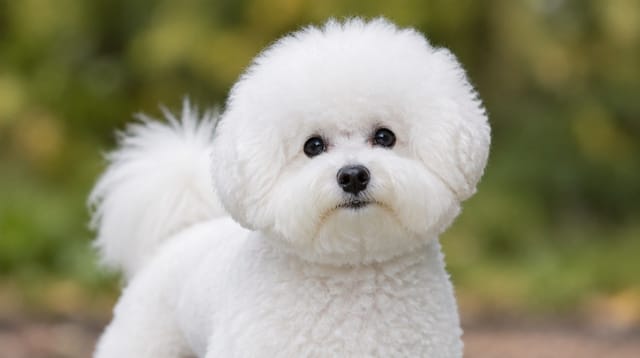 Bichon FriseA happy, gentle, low-shedding small dog who loves everyone, hates being alone and needs constant grooming.
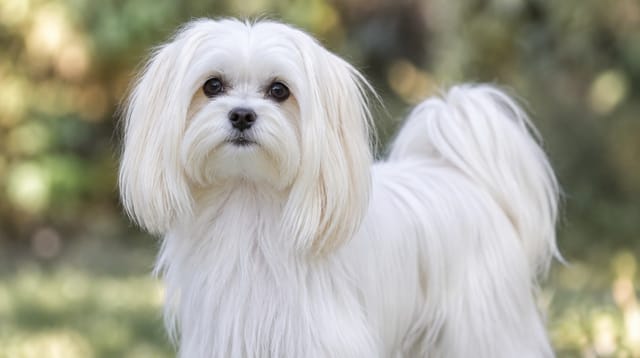 MalteseA tiny, playful, low-shedding lap dog who needs daily coat care and company for most of the day.
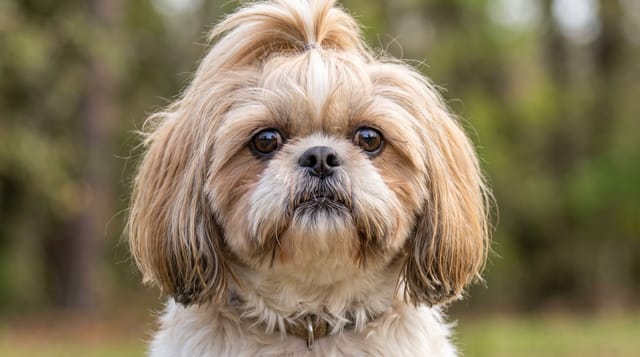 Shih TzuA friendly, low-shedding lap dog that needs little exercise but daily brushing or regular clipping.