At a glance
- Group
- Non-Sporting
- Size
- Small
- Weight
- 12–18 lb
- Height
- 9.5–11.5 in
- Lifespan
- 14–15 years
Temperament
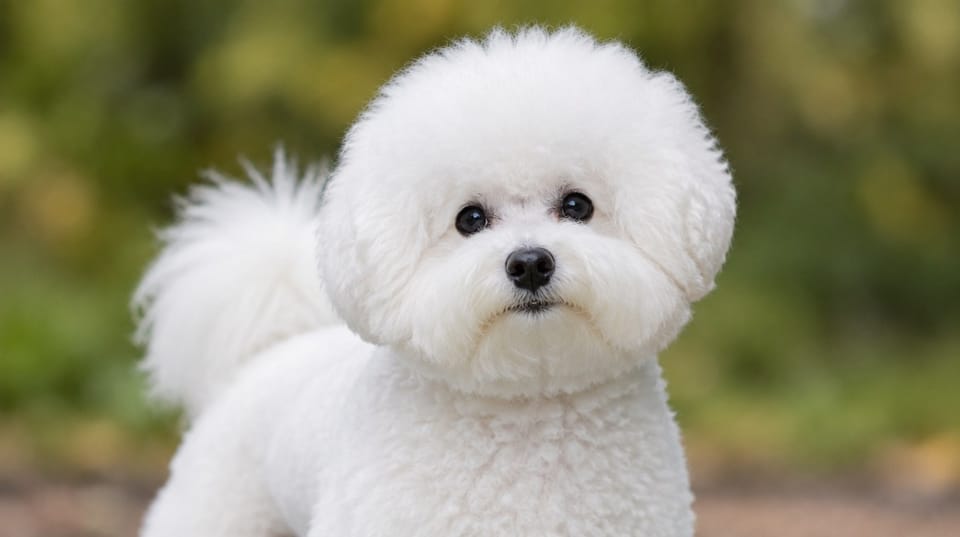
The Bichon Frise has had one job for several hundred years, and that job is to make people happy. He sailed with Mediterranean traders, sat on the laps of French and Spanish royalty and performed in circuses. He is cheerful, curious and gentle, and he assumes that everyone he meets is a friend.
Life with a Bichon is sociable. He greets you at the door as if you had been away for a month, charms the neighbors and gets along with children, other dogs and usually cats. He is playful without being frantic. Now and then he has a burst of energy and tears around the house in circles for a minute or two, which owners call the "Bichon blitz," and then he settles on the couch.
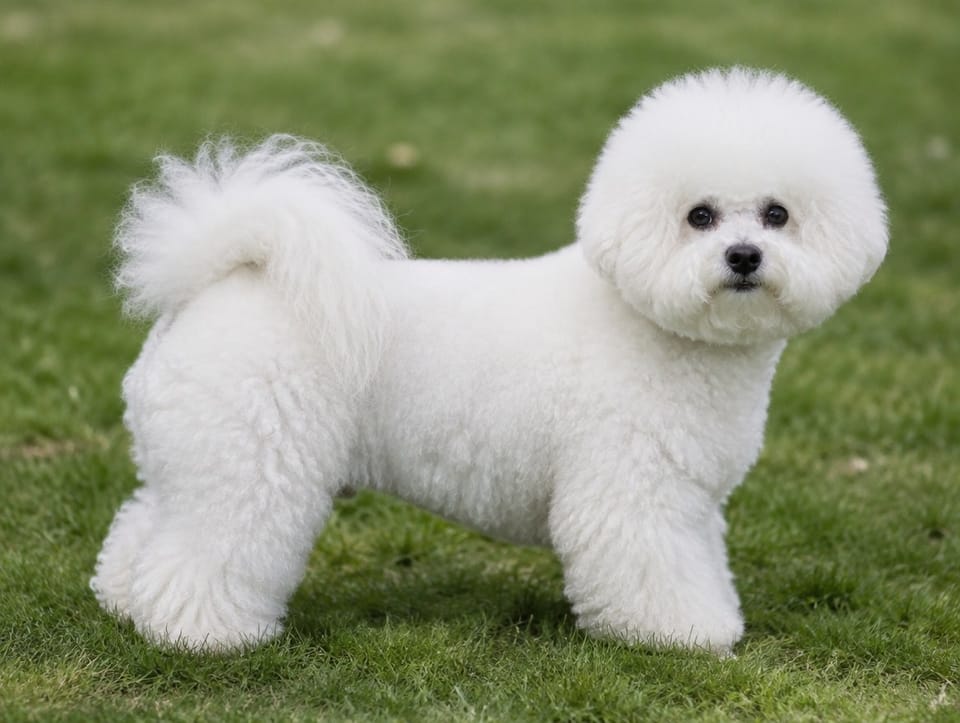
He is small but not delicate. At 12 to 18 pounds he is sturdier than most toy dogs, which makes him a good choice for families with young children who have been taught to be gentle.
He has two real drawbacks apart from his coat. The first is that he needs company. A Bichon is unhappy alone, and many develop separation anxiety, with barking, chewing or accidents while you are out. The second is house training, which we cover below. He will bark at the doorbell, though he is not a constant barker if he is not left bored and lonely.
Exercise and activity
A Bichon needs modest exercise. Two walks of 15 to 20 minutes a day, with some play indoors or in the yard, are enough for most adults. He enjoys a longer outing but does not demand one.
He likes games. Fetch down a hallway, hide and seek and learning tricks suit him well, and he has a long history as a performer. Some Bichons do agility and obedience and enjoy it very much.
His size and easy needs make him an excellent apartment dog. He does not need a yard. What he does need is to be with you, so plan to take him along where you can.
He handles moderate weather well. In hot weather walk him in the cooler parts of the day, and in the cold remember that a freshly clipped coat keeps him less warm.
Grooming and shedding
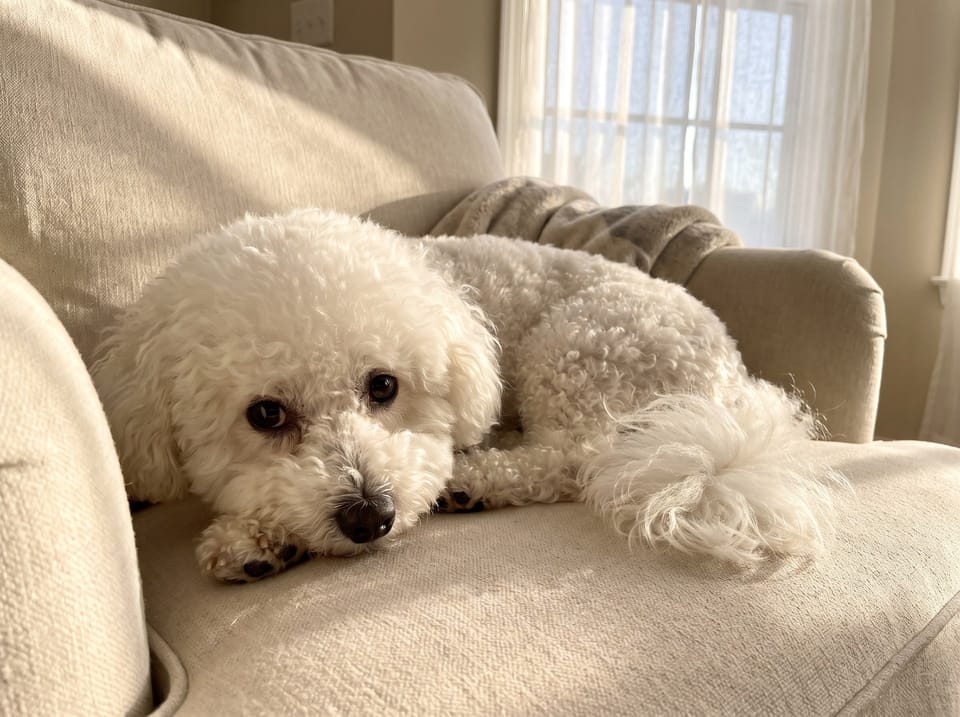
This is the heaviest commitment of owning a Bichon, and you should look at it squarely before you decide. The white powder-puff coat does not look after itself.
The coat has two layers, a soft, dense undercoat and a curly outer coat, and the hair keeps growing. He sheds very little. The hair that comes loose stays trapped in the coat, which is why people with allergies often find him easier to live with. No dog is free of allergens, so spend time with one first. It is also why he mats so easily.
Brush and comb him right down to the skin every day, or at the very least three times a week, for 10 to 15 minutes. Mats that are left tighten against the skin and become painful, and a badly matted dog has to be shaved.
He needs a bath and a haircut every four to six weeks. Most owners use a professional groomer. Over a lifetime of 14 or 15 years that adds up to well over 100 appointments, so add it to your budget. A short "puppy clip" is much easier to keep up than the rounded show trim.
Wipe around his eyes daily. Tears leave reddish-brown stains on white hair. Clean his ears weekly, trim his nails every three to four weeks, and brush his teeth every day if you can. Small dogs are prone to dental disease, and Bichons are no exception.
Training
Bichons are bright and like to please. They learn tricks quickly and love an audience. Use treats, praise and play, keep sessions to five or ten minutes, and you will have a willing pupil. He is sensitive, and scolding upsets him without teaching him anything.
House training is the exception. Bichons have a reputation for being slow at it, and it is deserved. Many take six months or more to become reliable. Take him out on a strict schedule: first thing in the morning, after every meal, nap and game, and last thing at night. Go with him, reward him the moment he finishes, and watch him closely indoors. Use a crate or a small pen when you cannot. Do not punish accidents. Just clean them thoroughly and tighten the routine.
Teach him to be alone, starting in his first week. Leave the room for a minute, then five, then twenty, with a chew or food toy to occupy him, and come and go without a fuss. A Bichon who never practices being alone as a puppy finds it very hard as an adult.
Let him walk on his own feet and meet the world. He is naturally confident, and good early experiences with people, dogs and the groomer keep him that way.
Health watchlist
Bichons are generally long-lived, often reaching 14 or 15 years. The problems you are most likely to see are allergies, which cause itchy skin and ear infections, and dental disease.
The breed is also prone to bladder trouble, including infections and bladder stones. Signs such as straining, frequent trips outside or blood in the urine need prompt attention from a vet. Loose kneecaps, called patellar luxation, are common in small breeds including this one, and hip problems occur as well. Cataracts can appear, sometimes in fairly young dogs.
The Bichon Frise Club of America recommends that breeding dogs have their kneecaps, hips and eyes evaluated. Ask the breeder to show you the results for both parents.
Keep him at a healthy weight. Under all that coat it is hard to see when he has gained, so feel his ribs regularly and weigh him at each vet visit.
Talk to your vet about dental care, skin and ear problems and urinary signs to watch for.
Is this breed right for you?
A great fit if
- you want a happy, affectionate small dog who likes everyone
- you live in an apartment or have no yard
- someone is home most of the day, or the dog can come along
- you want a low-shedding coat and will pay for its care
- you have children, other dogs or a cat
Think twice if
- the dog would be alone for more than a few hours most days
- you do not want to brush a dog daily or pay a groomer every month
- slow house training would test your patience
- you want a rugged dog for long hikes
- you are hoping for a dog that needs little attention
Similar breeds
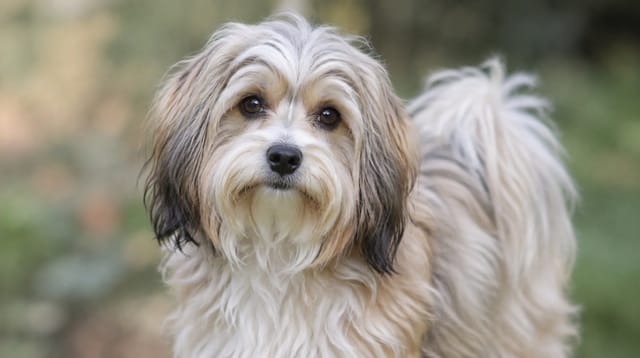 HavaneseA cheerful, sociable small companion that suits apartments and first-time owners but hates being left alone.
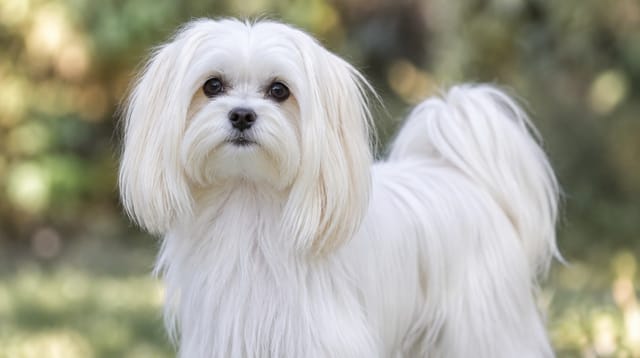 MalteseA tiny, playful, low-shedding lap dog who needs daily coat care and company for most of the day.
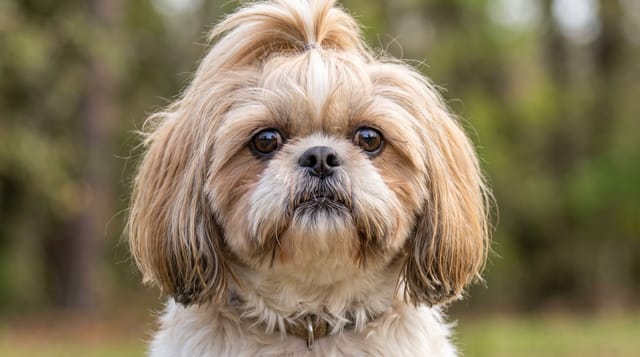 Shih TzuA friendly, low-shedding lap dog that needs little exercise but daily brushing or regular clipping.