
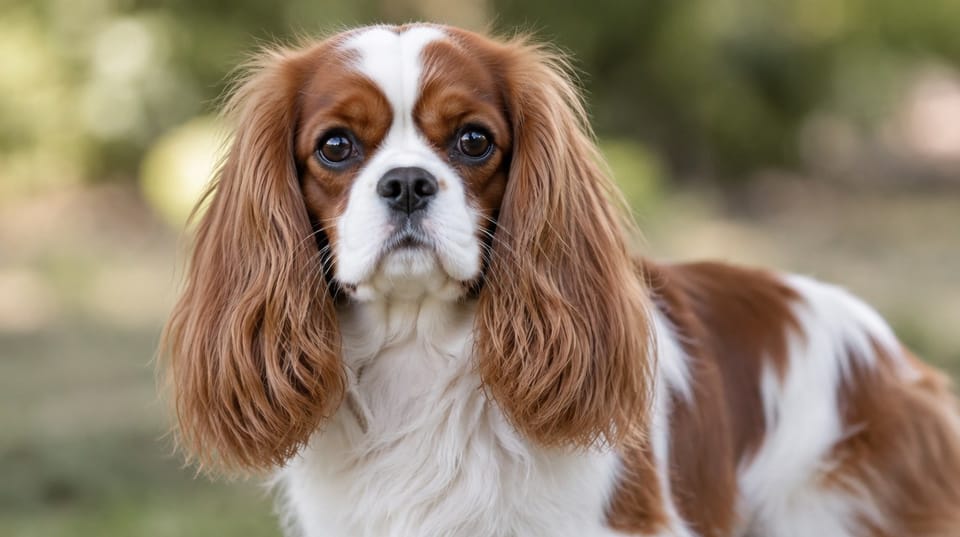
At a glance
- Group
- Toy
- Size
- Small
- Weight
- 13–18 lb
- Height
- 12–13 in
- Lifespan
- 12–15 years
Temperament
If you sit down, a Cavalier will be on your lap within the minute, and if you get up he will come with you. This is a dog bred for centuries to do one thing, keep people company, and he is extremely good at it. Living with a Cavalier is like having a small, silky shadow with a constantly wagging tail.
Cavaliers are gentle, sweet-natured and friendly with nearly everyone: children, strangers, other dogs and usually the family cat. There is no guard dog in him. He may bark when the doorbell rings, then greet whoever is there as a long-lost friend. He adapts to his owner's pace, happy to walk for an hour with an active person or to nap through the afternoon with a quiet one.
He is still a spaniel underneath. Outdoors he will chase birds, butterflies and squirrels with real enthusiasm and no road sense at all.
The price of all that devotion is the first hard part. Cavaliers do not cope well with being alone. A dog bred as a companion suffers without one, and a Cavalier left for a full working day is often miserable, and may bark, whine or chew. An hour or two is fine for most adults once they have been taught gradually. Much more than four hours on a regular basis is not fair to this breed.
Exercise and activity
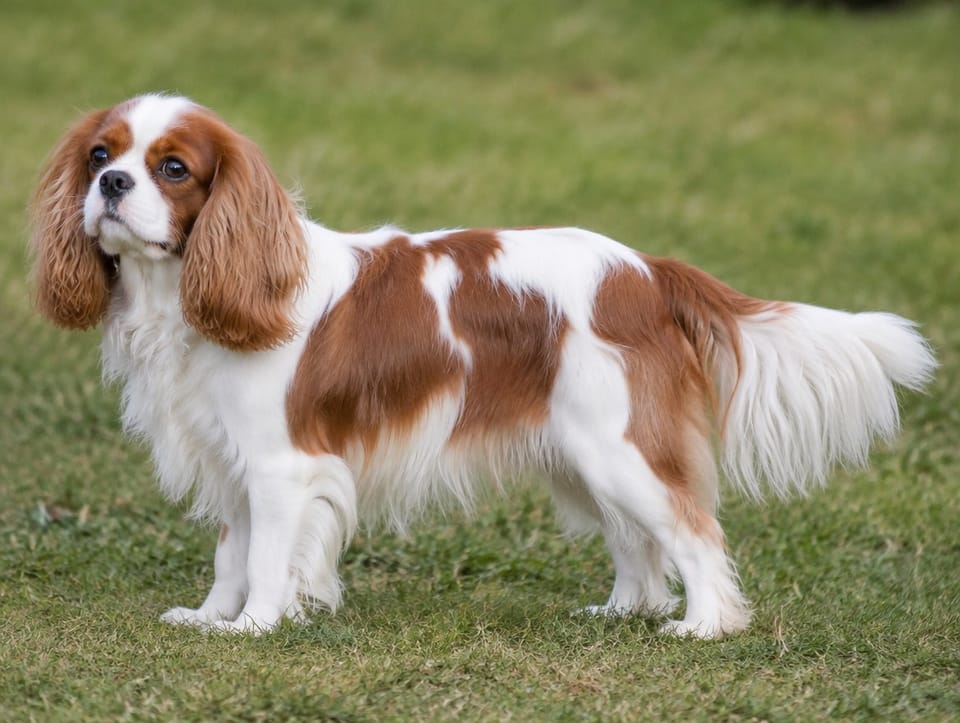
A Cavalier's needs are moderate and flexible. Aim for 40 to 60 minutes a day, in two walks, plus some play. He will happily do more, and many enjoy easy hikes, fetch and even agility. He will also forgive you a short day when the weather is foul.
Keep him on a leash or in a fenced area. The chase instinct is strong, and Cavaliers have been lost under cars pursuing a bird. A recall that works in your yard may not hold when a squirrel runs.
Watch the heat. His muzzle is on the short side and his coat is full, so in hot weather walk in the morning or evening and bring water.
Watch his weight too. Cavaliers are expert beggars with large, sad eyes, and they put on pounds easily, which is hard on the heart and joints. Regular walks matter even for a dog who seems content on the couch.
Grooming and shedding
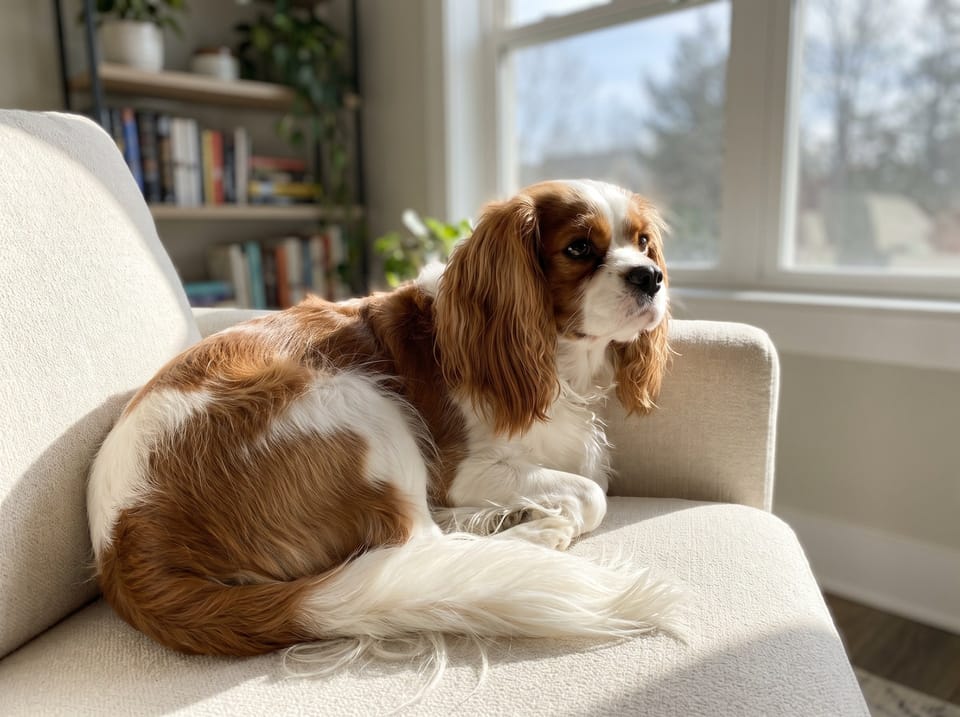
The silky coat looks high-maintenance, but it is manageable at home. Brush three or four times a week for about ten minutes, using a soft brush and then a comb through the feathering on the ears, chest, legs and tail. Mats form behind the ears and under the front legs first, so check there every time.
Cavaliers shed, moderately and all year, with a bit more in spring and fall. The hairs are fine and soft and will show on dark clothes.
The coat does not need clipping. Many owners trim the hair between the pads of the feet so it does not collect mud and ice. Bathe about once a month.
The long, heavy ears need attention. They cover the ear canal and trail in the food bowl. Look inside weekly and wipe the ear leathers clean. A narrow, deep bowl helps keep them out of dinner.
Some Cavaliers have tear staining below the eyes; wipe gently with a damp cloth. Brush teeth several times a week, since small breeds are prone to dental disease, and trim nails every three to four weeks.
Training
Cavaliers are among the easiest toy breeds to train. They are attentive, they want to please, and they will do a great deal for a small treat or a kind word. They are also soft dogs. A raised voice can flatten a Cavalier, so keep everything gentle and cheerful.
Five to ten minutes at a time is plenty. Teach the basics, including sit, down, stay and coming when called, and consider going further. Cavaliers do well in obedience, rally and agility, and their calm, affectionate nature makes them popular therapy dogs.
House training can take a little longer than with larger breeds, as it does with many small dogs. Take your puppy out often, reward him on the spot, and keep the schedule regular.
The most valuable thing you can teach is how to be alone. Start in the first weeks with very short absences, a minute or two, and build up slowly. Give him a chew or a stuffed toy when you leave, and keep departures and returns low-key. A Cavalier who has never practiced this finds it much harder as an adult.
Socialize him as you would any puppy. It is rarely difficult with this breed, but a little care prevents shyness.
Health watchlist
This is the second hard part, and it deserves a careful read. Cavaliers are affectionate, easy dogs with a heavy burden of inherited disease.
The main one is mitral valve disease, a heart condition in which a valve gradually wears out and leaks. It affects many dogs of all breeds in old age, but in Cavaliers it is far more common and tends to start years earlier. A vet often first notices it as a heart murmur. Some dogs live comfortably with it for years; in others it progresses to heart failure.
The second is syringomyelia, a neurological condition in which fluid-filled cavities form in the spinal cord near the skull. Signs vary widely, from none at all to scratching at the neck and pain.
Cavaliers also get slipping kneecaps, hip dysplasia, eye conditions including cataracts and retinal problems, and middle ear problems.
The American Cavalier King Charles Spaniel Club's recommended screening for breeding dogs covers the heart, eyes, kneecaps and hips. Heart checks should be recent and done by a veterinary cardiologist. Ask the breeder how old the parents and grandparents were when a murmur was first heard, if ever, since older heart-clear ancestors are the best sign you can get. Ask whether they scan for syringomyelia.
Budget for regular heart checks through your dog's life, and consider insurance early. Talk to your vet about how often your Cavalier's heart should be examined and what changes to report.
Is this breed right for you?
A great fit if
- you want a gentle, loving lap dog who gets along with everyone
- this is your first dog
- you live in an apartment or a house
- someone is home most of the day
- you have children, other dogs or a cat
Think twice if
- the dog would be alone during a working day
- you want a watchdog
- the chance of serious heart disease and its costs would be too much to face
- you want an off-leash hiking partner
- you dislike brushing and fine hair on your clothes
Similar breeds
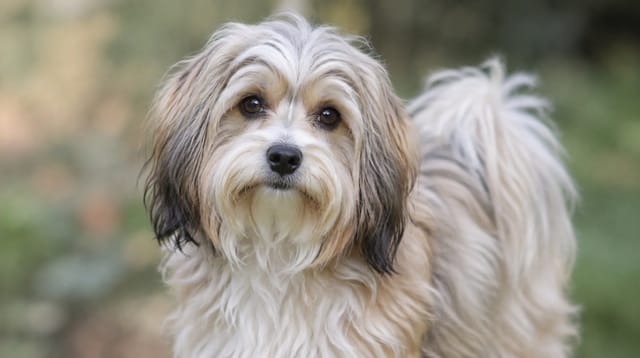 HavaneseA cheerful, sociable small companion that suits apartments and first-time owners but hates being left alone.
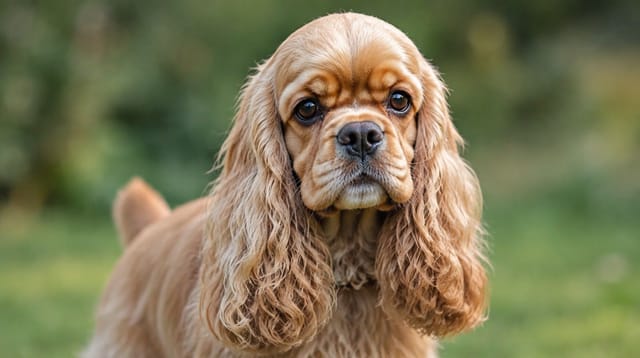 Cocker SpanielA merry, gentle little spaniel who adores company and needs a great deal of coat and ear care.
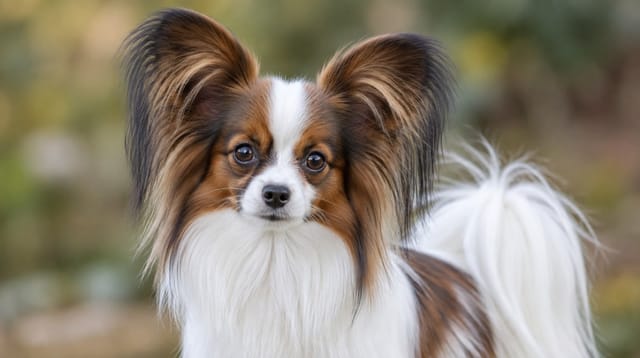 PapillonA tiny, bright, athletic toy dog that is a joy to train, barks a lot and is too fragile for toddlers.