
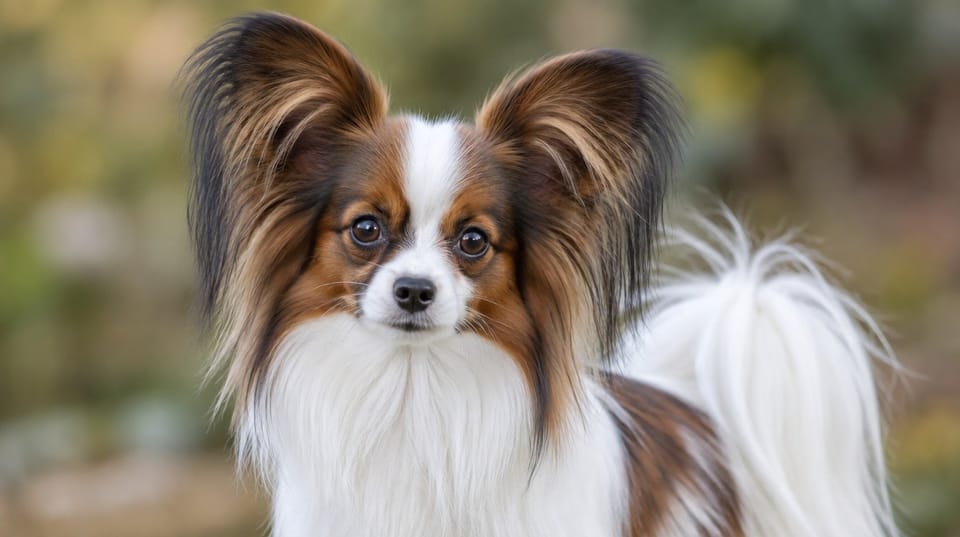
At a glance
- Group
- Toy
- Size
- Toy
- Weight
- 5–10 lb
- Height
- 8–11 in
- Lifespan
- 14–16 years
Temperament
The first surprise with a Papillon is how little he behaves like a lapdog. He weighs less than a bag of flour and looks as if he belongs on a cushion, yet he spends his day trotting after you, watching the window, carrying toys about and asking what happens next. The name is French for butterfly, after the big fringed ears, and the dog underneath them is quick, bright and busy.
Papillons are friendly. Most like visitors and settle happily on a lap once they have had something to do. They attach themselves firmly to their people and want to be included in everything, from the school run to the laundry.
They are also alert, and they tell you about it. A Papillon barks at the doorbell, the mail carrier, a squirrel on the fence and a neighbor closing a car door. This is the first hard part of the breed. You can teach a "quiet" cue and it helps, but you will not turn him into a silent dog.
The second hard part is size. An adult weighs 5 to 10 pounds and has fine bones. He does not know this, and will launch himself off the back of a sofa or challenge a dog ten times his weight. With careful school-age children he is a wonderful playmate. With toddlers the risk runs the other way: a small child can hurt him badly by dropping or falling on him.
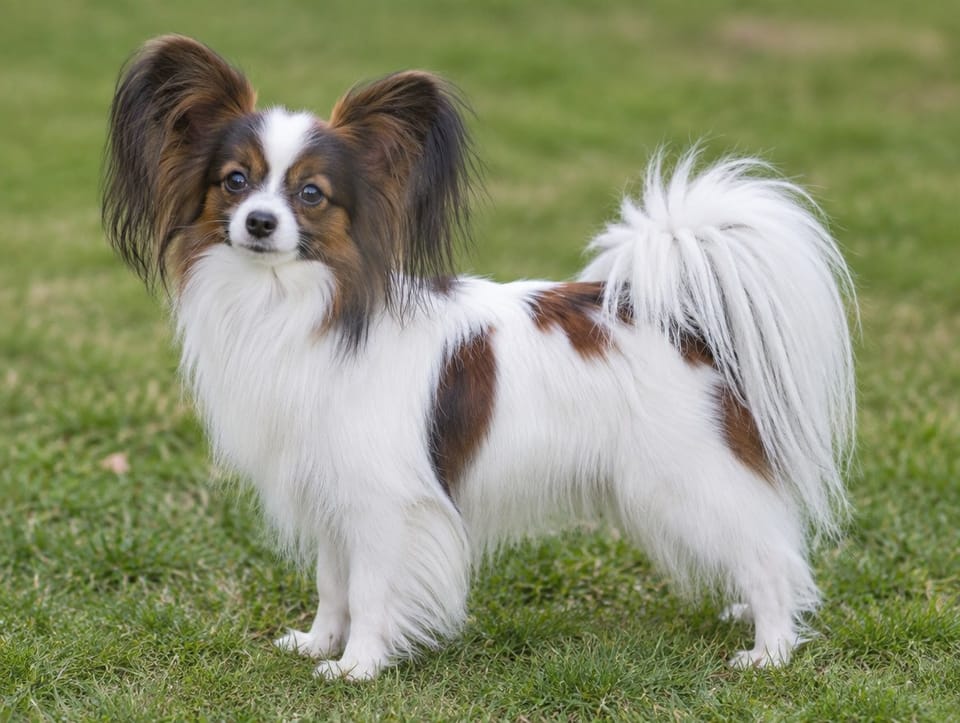
Exercise and activity
For a toy breed, the Papillon is an athlete. Plan on 30 to 45 minutes a day, split into two walks, plus play. He will happily do more. Many Papillons hike several miles without complaint, and the breed is a regular winner in agility, where small, fast, clever dogs do very well.
What he needs most is variety for his mind. Ten minutes of trick training, a game of fetch down the hallway or a food puzzle will settle him as well as another lap of the block. A lot of his exercise can happen indoors, which makes rainy days and apartment life easy.
Take a few precautions that bigger dogs do not need. Keep him on a leash or in a securely fenced area, since he is fast and can slip through gaps you would not notice. Do not let him jump down from beds and sofas as a habit. A set of pet steps or a ramp is a cheap way to spare his legs.
He has a single coat with no woolly undercoat, so he feels the cold. In winter he will want a sweater and shorter outings.
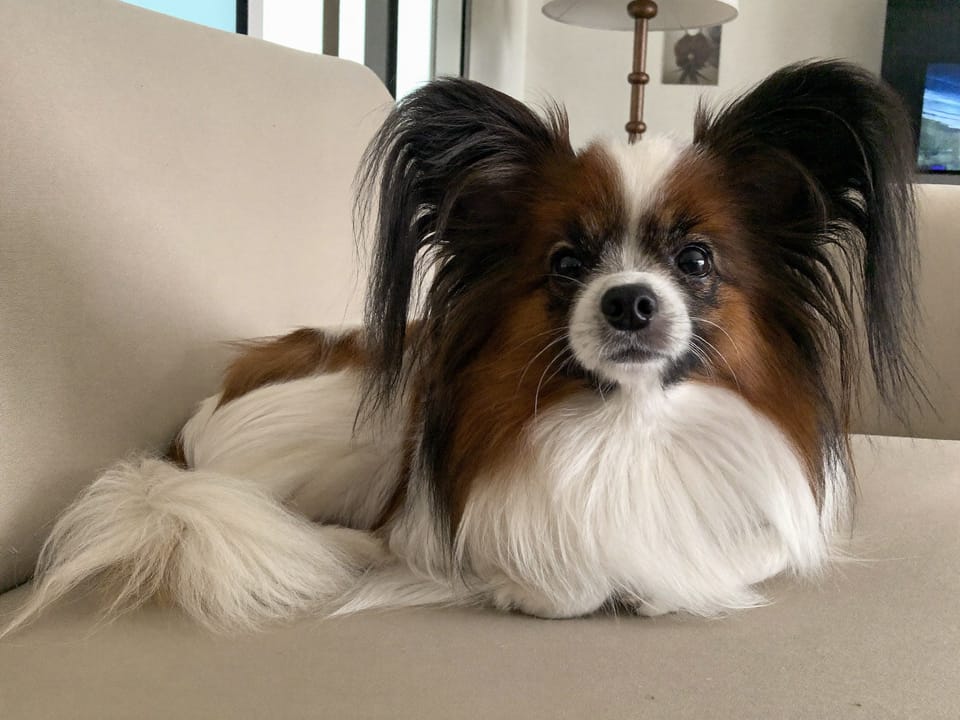
Grooming and shedding
The coat looks like work and is not. It is long, fine and silky, and because there is no undercoat it tangles far less than you would expect. Brush him two or three times a week for about ten minutes. Pay attention to the fringes on the ears, the feathering on the back of the legs and the hair behind the ears, where small mats start.
Papillons shed a moderate amount all year. The hairs are fine and light, and there are simply fewer of them than on a large dog. A bath every month or two keeps the white parts bright. No clipping is needed. Just tidy the hair between the pads of his feet every few weeks so he does not slip on smooth floors.
Teeth are the real job. Small mouths crowd the teeth, and toy breeds build up tartar quickly. Brush his teeth every day if you can, and at least four times a week. Trim his nails every three weeks.
Training
Papillons are one of the quickest toy breeds to train, and one of the most willing. They watch your face, pick up new cues in a handful of repetitions and enjoy showing off. Short sessions suit them best: five minutes, three times a day, with pea-sized treats and a lot of praise.
Their cleverness cuts both ways. A Papillon learns just as fast that barking brings you running or that begging at the table works. Decide on the house rules early and have everyone keep to them.
House training takes longer than with most larger breeds. He has a tiny bladder, and a puddle from a dog this size is easy to miss, which means mistakes go unnoticed and become habits. Take him out every hour or two at first, after every meal and nap, and reward him on the spot. Many owners find it takes four to six months before he is reliable.
Socialize him as you would a big dog. Let him walk on his own feet, meet calm dogs and friendly strangers, and hear traffic and crowds. Small dogs who are carried everywhere often become nervous and snappy.
Health watchlist
Papillons are a long-lived breed, and many reach 14 to 16 years. Most of what goes wrong is linked to their small size.
Loose kneecaps, called patellar luxation, are the most common inherited problem. The kneecap slips out of its groove, and you may see the dog skip for a few steps on a back leg. Dental disease is close behind, and it starts young if teeth are not cleaned. Like other toy breeds, Papillons can have a windpipe that weakens and narrows with age, which shows as a honking cough. Walking him on a harness instead of a collar keeps pressure off the throat.
Some puppies are born with a soft spot on the top of the skull that is slow to close. The breed also has two inherited conditions for which DNA tests exist: a form of progressive retinal atrophy, which causes gradual loss of sight, and neuroaxonal dystrophy, a serious nerve disease that shows up in young puppies. Heart valve disease can appear in older dogs.
The Papillon Club of America recommends that breeding dogs have their kneecaps, heart and eyes checked. Ask the breeder for those results, and ask whether the parents have been DNA tested.
Fine legs break more easily than sturdy ones. Falls and jumps from a height cause many of the injuries vets see in this breed.
Talk to your vet about dental care, a healthy weight and what to watch for as your dog grows.
Is this breed right for you?
A great fit if
- you want a small dog who is lively, clever and fun to train
- you live in an apartment and can work on the barking
- you would enjoy tricks, agility or long walks with a tiny companion
- your children are old enough to be gentle and careful
- someone is home for most of the day
Think twice if
- you have toddlers or a large, boisterous dog
- you need a quiet dog because of close neighbors
- slow house training would wear you down
- you want a dog who is content to be left for a full working day
- you are looking for a calm dog who sleeps most of the afternoon
Similar breeds
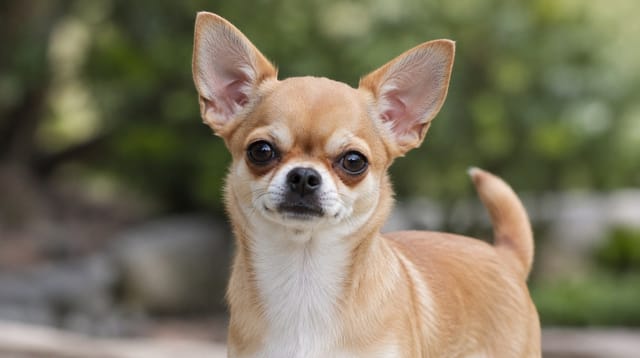 ChihuahuaA tiny, long-lived, fiercely loyal lap dog that barks a lot and is too fragile for small children.
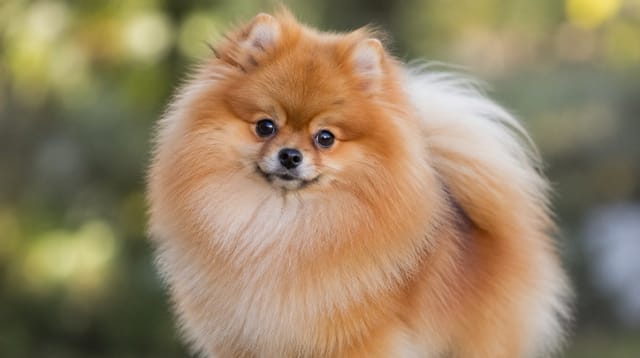 PomeranianA tiny, bold, fluffy companion that suits apartment life but barks a lot and is too fragile for toddlers.
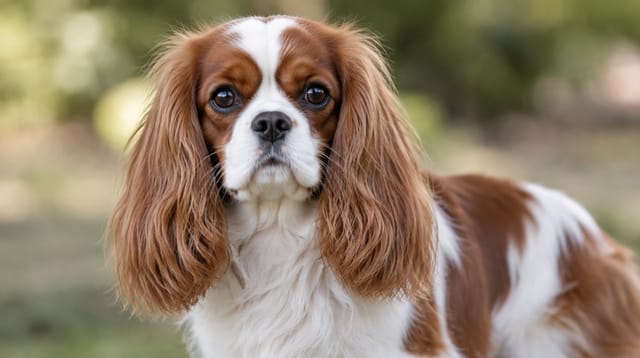 Cavalier King Charles SpanielA sweet, gentle lap spaniel who suits almost any home, with a serious inherited heart risk.