
At a glance
- Group
- Non-Sporting
- Size
- Small
- Weight
- 17–23 lb
- Height
- 13.5–16.5 in
- Lifespan
- 13–16 years
Temperament
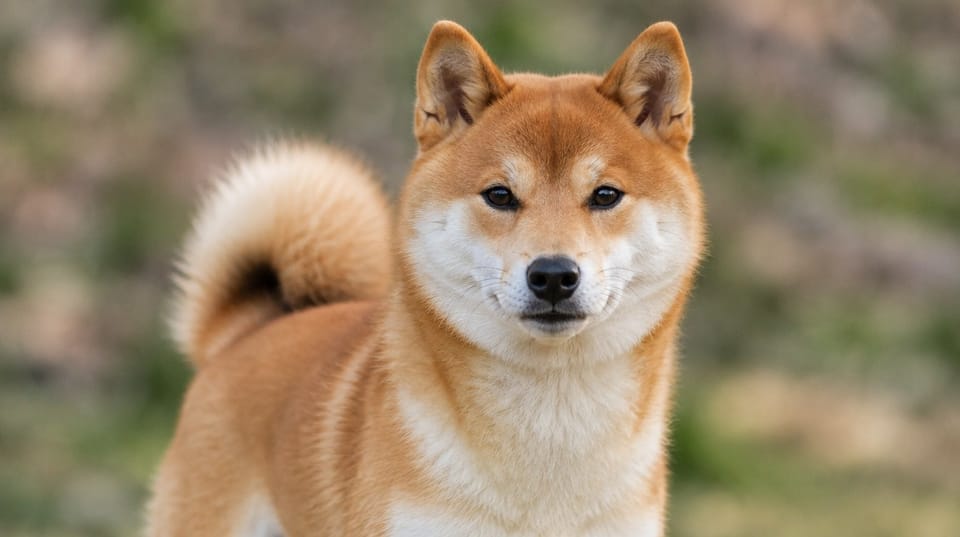
People who live with Shibas often say they have a cat in a dog suit. He washes his paws, picks his way around puddles, chooses when he would like to be petted and walks away when he has had enough. A Shiba is loyal to his family and quietly fond of them, but he shows it on his own terms. Expect a dog who lies in the same room as you, not one who climbs onto your lap.
He is bold, alert and very sure of himself. This is an old Japanese hunting breed, used for flushing birds and small game in mountain brush, and he still carries himself like a dog with a job. He is watchful with strangers and takes a while to decide about them.
Shibas are fairly quiet day to day. They bark when there is a reason. What they are famous for is the "Shiba scream," a loud, high-pitched shriek produced when he objects to something, usually a nail trim, a bath or a harness. It is startling the first time, and your neighbors may wonder what you are doing to him.
He is possessive. Many Shibas guard food, toys and favorite spots, and many do not get along with other dogs of the same sex. He can live with children who respect his space, but he does not tolerate being grabbed or hugged, so this is not our first choice for a home with toddlers.
Exercise and activity
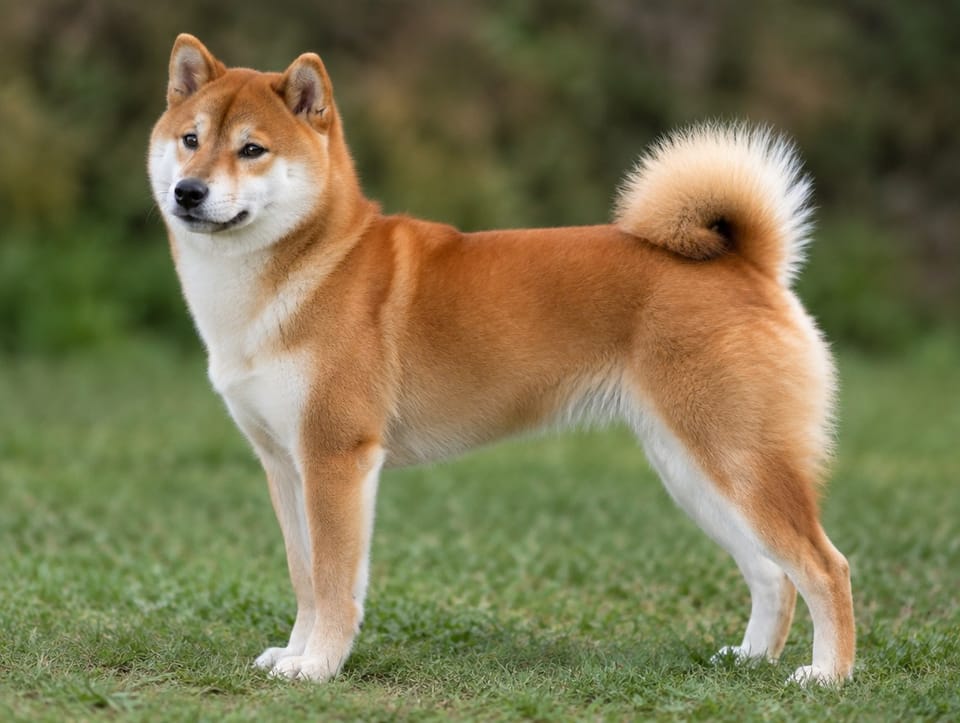
A Shiba needs about 45 to 60 minutes of exercise a day. Two brisk walks and a play session in a fenced yard will keep most adults fit. He is nimble and enjoys hiking, and he has more stamina than his size suggests. Indoors, a well-exercised Shiba is calm and tidy.
Here is the hard part that every Shiba owner will tell you about: you cannot trust him off the leash. He has a strong urge to chase, he is fast, and he does not come back just because you called. Experienced owners with years of training behind them still keep their Shibas leashed in open spaces. Treat this as a lifelong rule, not a stage.
He is also an escape artist. Shibas slip out of loose collars, squeeze through gaps in fences, dig under them and bolt through front doors. Use a well-fitted harness, check your fence line, and teach him to wait at doorways. Make sure he is microchipped and wears a tag.
Give his brain something to do. Scent games, food puzzles and short training sessions help, and he likes to solve problems on his own.
Grooming and shedding
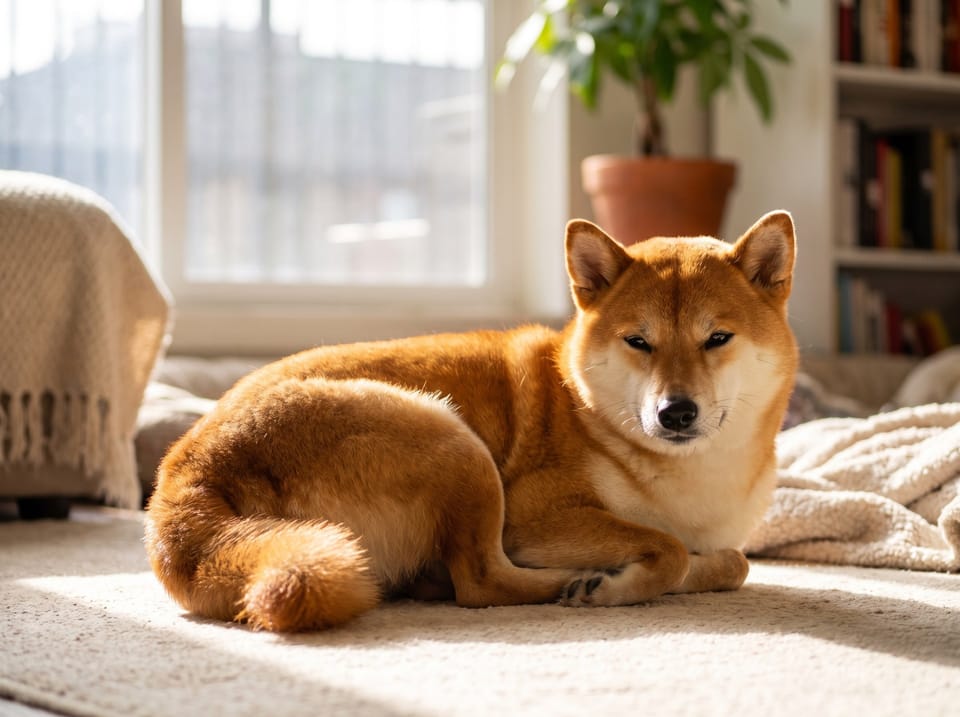
Shibas are clean dogs with very little doggy smell, and the coat is easy most of the year. It is a thick double coat: a stiff, straight outer layer over a soft, dense undercoat. Brush him once or twice a week for ten minutes.
Twice a year the undercoat comes out all at once. Owners call it "blowing coat." For two to three weeks the hair lifts away in soft clumps, and you can fill a grocery bag from one dog. Brush every day during that time, outside if you can, and expect to vacuum daily. Between those sheds he still drops a steady amount of hair.
Bathe him only every few months. The coat sheds dirt well, and too much washing dries the skin. Never shave a Shiba. The double coat protects him in both heat and cold.
Nail trims are where the screaming happens. Start handling his feet in the first week he is home. Touch one paw, give a treat, and stop. Build up slowly over several weeks. An adult who was never taught to accept it can be very hard to handle. Brush his teeth several times a week.
Training
A Shiba is intelligent, and he is not interested in pleasing you for its own sake. He learns a cue quickly and then asks what he gets for doing it. Owners who expect the eager obedience of a retriever are disappointed. Owners who enjoy a clever, independent partner get along well with him.
Use food rewards and keep sessions short, about five minutes, with plenty of variety. Drilling the same exercise bores him and he will simply walk off. Force gets you nowhere. A Shiba who is pushed around becomes more stubborn, and may start avoiding your hands.
House training is the easy part. Shibas dislike soiling their living space, and many puppies are reliable within a few weeks.
Put your effort into three things. First, socialization: introduce your puppy calmly to many people, well-mannered dogs and new places in his first months, and keep it up through his first year. Second, handling: feet, ears, mouth and brushing, a little every day. Third, trading: teach him to give up a toy or chew in exchange for a treat, so that guarding does not take root.
Practice coming when called for the whole of his life, with excellent treats. It makes him safer, even though it will never make him reliable enough to go without a leash.
Health watchlist
Shibas are generally sturdy, and a life of 13 to 16 years is normal. Their most common health problem is allergies. These usually show as itchy skin, licking at the feet and repeated ear trouble, and they often begin between six months and three years of age.
Loose kneecaps, known as patellar luxation, occur in the breed, as does hip dysplasia. Inherited eye conditions are also seen, including glaucoma, which is a painful rise in pressure inside the eye, and cataracts.
The National Shiba Club of America recommends that breeding dogs have their hips, kneecaps and eyes evaluated. Ask the breeder for those results for both parents, and ask whether there are allergies in the family.
Keep your Shiba lean. He is a small-framed dog, and a few extra pounds put real strain on his knees and hips.
Talk to your vet about itching, eye changes and a sensible weight for your dog.
Is this breed right for you?
A great fit if
- you like an independent dog with a strong character
- you want a clean, quiet companion who is fine on his own for part of the day
- you have a securely fenced yard or are happy to walk on a leash every time
- you have had dogs before and enjoy patient, reward-based training
- your household is adults or older children
Think twice if
- this is your first dog and you are hoping for easy obedience
- you want a dog who can run free at the park or on the trail
- you have toddlers or another dog of the same sex
- you want a cuddly dog who loves being handled
- heavy shedding twice a year would bother you
Similar breeds
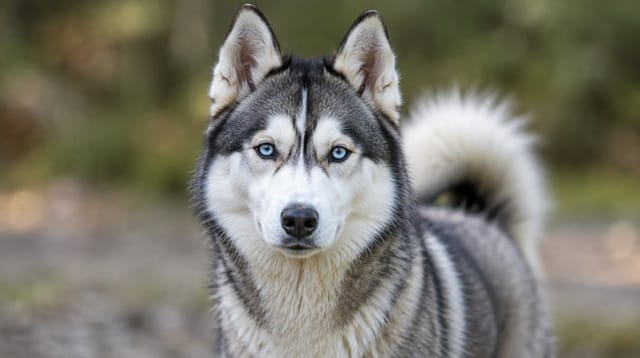 Siberian HuskyA friendly, athletic, mischievous sled dog that sheds heavily, howls, escapes and needs to run every day.
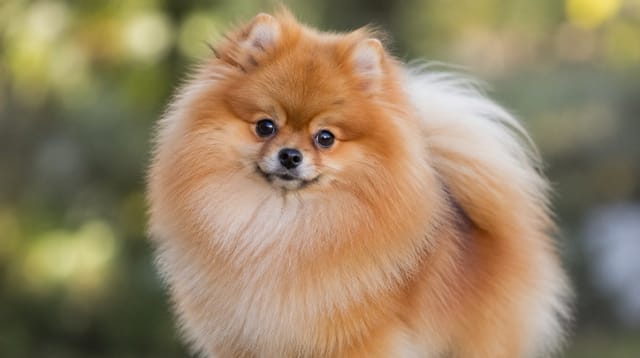 PomeranianA tiny, bold, fluffy companion that suits apartment life but barks a lot and is too fragile for toddlers.
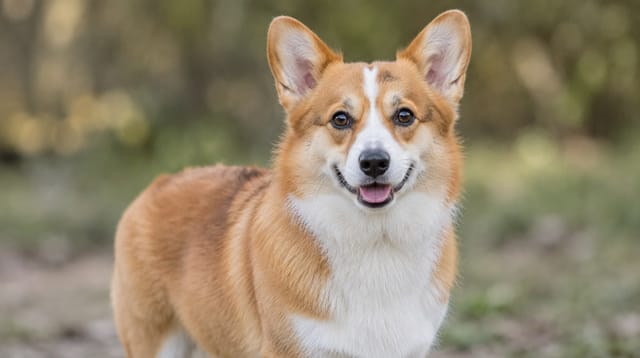 Pembroke Welsh CorgiA bold, clever, low-slung herding dog that sheds heavily, barks readily and needs an hour of exercise a day.