
At a glance
- Group
- Herding
- Size
- Small
- Weight
- 25–30 lb
- Height
- 10–12 in
- Lifespan
- 12–13 years
Temperament
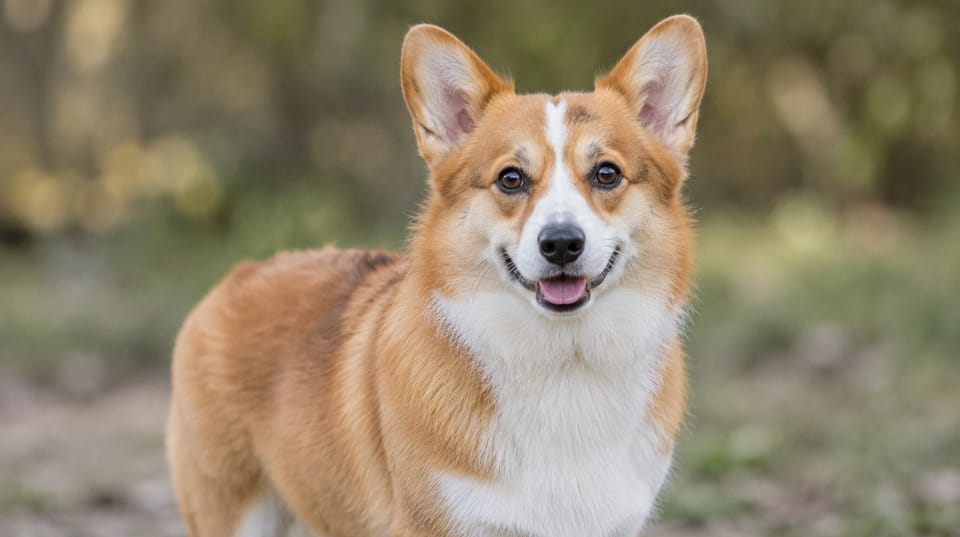
Do not let the short legs fool you. A Pembroke Welsh Corgi is a cattle dog, built low so that kicks sailed over his head, and he has the confidence of a dog three times his size. Living with one feels like sharing your house with a small, cheerful supervisor. He wants to know where everyone is, what they are doing and whether it is nearly dinner time.
Corgis are affectionate without being clingy. He will follow you around and lie at your feet, but he is not usually a lap dog and he does not fall apart when you leave the room. He is bright, funny and bold, and he has opinions. Many of those opinions are expressed out loud.
The herding instinct is still very much there. A Corgi will circle running children and may nip at heels the way his ancestors nipped at cattle. That is not aggression, but it hurts, and it is the main reason we are cautious about the breed around toddlers. With school-age kids who can follow rules, Corgis are terrific playmates.
He is a watchdog by nature. Expect to be told about the mail carrier, the neighbor's car and the squirrel on the fence.
Exercise and activity
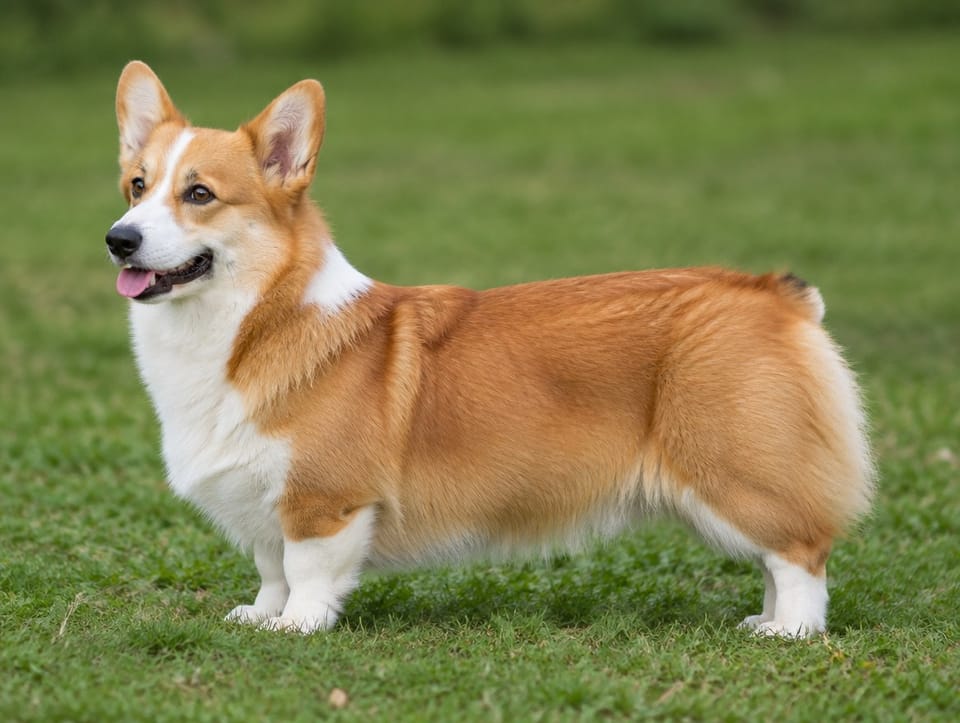
A Corgi needs more exercise than his shape suggests. Plan on about an hour a day, split into two walks, plus some play. He is sturdy, quick and surprisingly fast, and he will happily hike several miles on a cool day.
Give his brain something to do as well. Corgis do very well at herding trials, agility on low jumps, rally and obedience, and they love food puzzles and hide-and-seek games with toys. A bored Corgi barks, digs and bosses the household around.
Be kind to his back. That long spine on short legs is vulnerable, so discourage him from leaping off furniture or out of the car and from racing up and down long flights of stairs. A ramp or a lift is a good habit. Keep puppy exercise short and gentle while he is growing.
He handles cold well thanks to his thick coat. In hot weather, walk early or late and keep it shorter, since he is low to the hot pavement and heavily coated.
A fenced yard is useful but not essential. A Corgi can live in an apartment if he gets his daily hour and you work on the barking.
Grooming and shedding
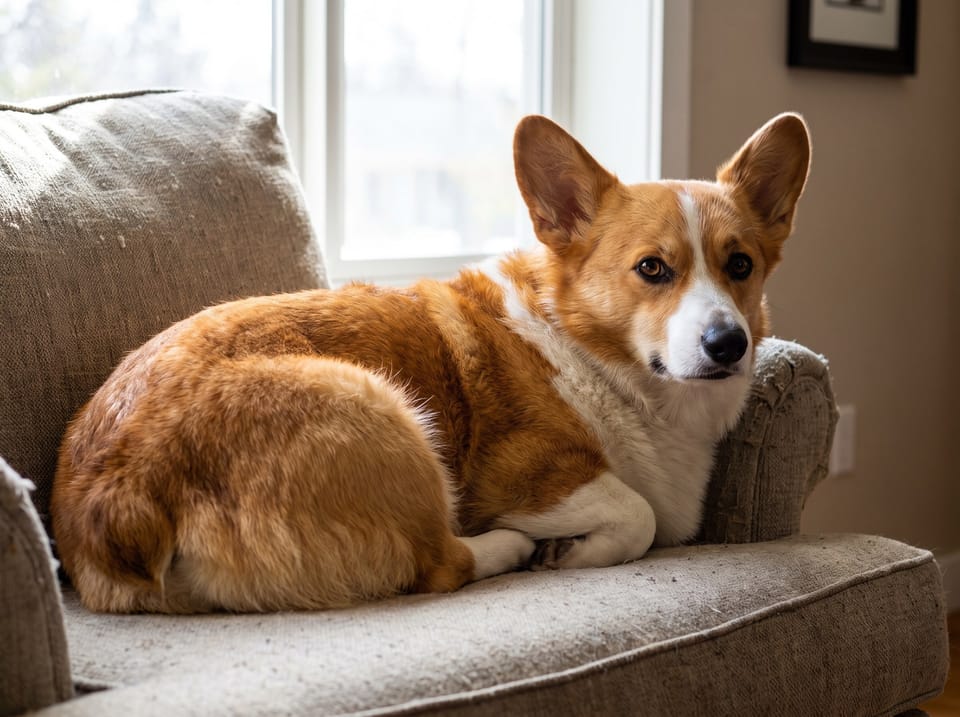
Here is the first hard part: Corgis shed a lot. The coat is a thick, weatherproof double layer, and it comes out every day of the year. Twice a year, usually spring and fall, the undercoat lets go in clumps for two or three weeks. People who own Corgis own lint rollers and a good vacuum.
Brush two or three times a week with a slicker brush or comb, and daily during the heavy sheds. Ten minutes is enough. A warm bath at the start of a shed helps loosen the dead undercoat, as long as you dry him fully before brushing.
The coat itself is easy. It does not mat, it needs no trimming, and dirt brushes out once dry. Never shave it.
Trim nails every three to four weeks, check ears weekly and brush teeth several times a week.
Training
Corgis are clever and food-motivated, which makes them quick and enjoyable to train. They are also independent thinkers who were bred to make decisions about stubborn cattle without waiting to be asked. Expect a dog who learns fast and then negotiates.
Keep sessions short, upbeat and rewarded. Five to 10 minutes, twice a day, works better than one long drill. Corgis are more sensitive than they appear, and harsh corrections make them sulky or stubborn.
Three things deserve early attention. First, the nipping: teach your puppy from the start that teeth on skin or ankles ends the game, and give him a toy to grab instead. Second, the barking: reward quiet, teach a "that's enough" cue, and do not let him practice barking at the window all day. This is the second hard part of the breed, and it matters if you share walls. Third, socialization: Corgis can be bossy with other dogs and wary of strangers if they do not meet plenty of both when young.
Measure his food. Corgis will work for a single piece of kibble, so take training treats out of his daily ration.
A committed first-time owner can do well with a Corgi, but he is not a pushover. Take a puppy class.
Health watchlist
Pembrokes are generally healthy and often live 12 to 13 years, but the breed has several conditions to know about.
The long back and short legs come from a form of dwarfism, and they put Corgis at higher risk of disc problems in the spine. Signs can range from pain to weakness in the hind legs. Keeping your dog lean and limiting jumping are the usual sensible precautions to discuss with your vet.
Degenerative myelopathy is a disease of the spinal cord that appears in older dogs and causes gradual loss of strength in the back legs. A DNA test shows whether a dog carries the gene linked to it. Hip dysplasia occurs in the breed despite its small size. Inherited eye conditions and von Willebrand disease, a bleeding disorder, are also seen.
The Pembroke Welsh Corgi Club of America recommends a hip evaluation and an eye exam by a veterinary ophthalmologist for breeding dogs. Many breeders also run DNA tests for degenerative myelopathy and von Willebrand disease. Ask what testing the parents have had and ask to see the results.
Weight is the health issue you control. Corgis love food and gain weight easily, and extra pounds are hard on a long back and short legs. You should be able to feel his ribs without pressing.
Pembrokes are born with a short tail or have it docked as young puppies. The Cardigan Welsh Corgi, a separate breed, has a long tail.
Talk to your vet about your dog's ideal weight and how to protect his back.
Is this breed right for you?
A great fit if
- you want a big-dog personality in a small, sturdy body
- you can give about an hour of exercise a day
- you enjoy training and would like to try a dog sport
- your children are school age or older
- you like a dog who is affectionate but not glued to you
Think twice if
- dog hair on your clothes and floors would bother you
- you need a quiet dog or have noise-sensitive neighbors
- you have toddlers who run and squeal
- your home has many stairs and no way around them
- you tend to be generous with treats
Similar breeds
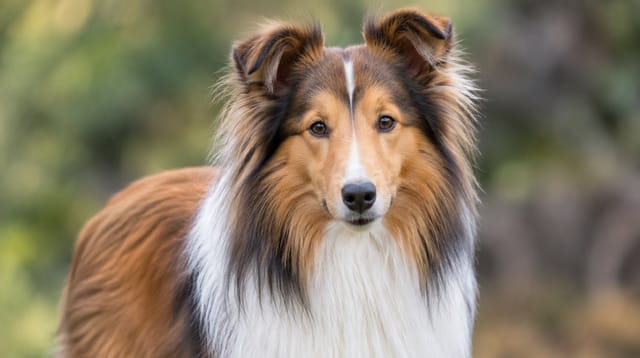 Shetland SheepdogA gentle, bright, eager-to-please small herding dog with a big coat to brush and a great deal to say.
 Miniature American ShepherdA small, clever, devoted herding dog with full-size energy that needs daily exercise and a job.
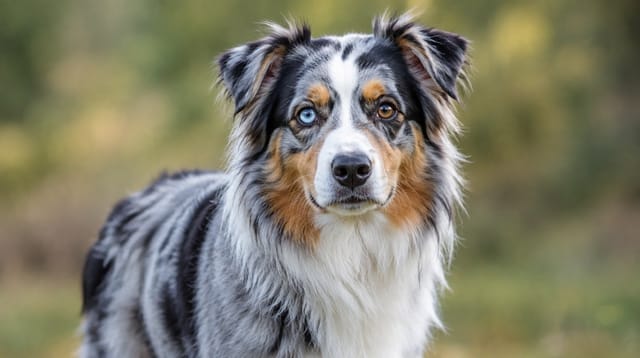 Australian ShepherdA brilliant, driven herding dog who thrives on hours of work and struggles in a quiet home.