
At a glance
- Group
- Herding
- Size
- Medium
- Weight
- 20–40 lb
- Height
- 13–18 in
- Lifespan
- 12–13 years
Temperament
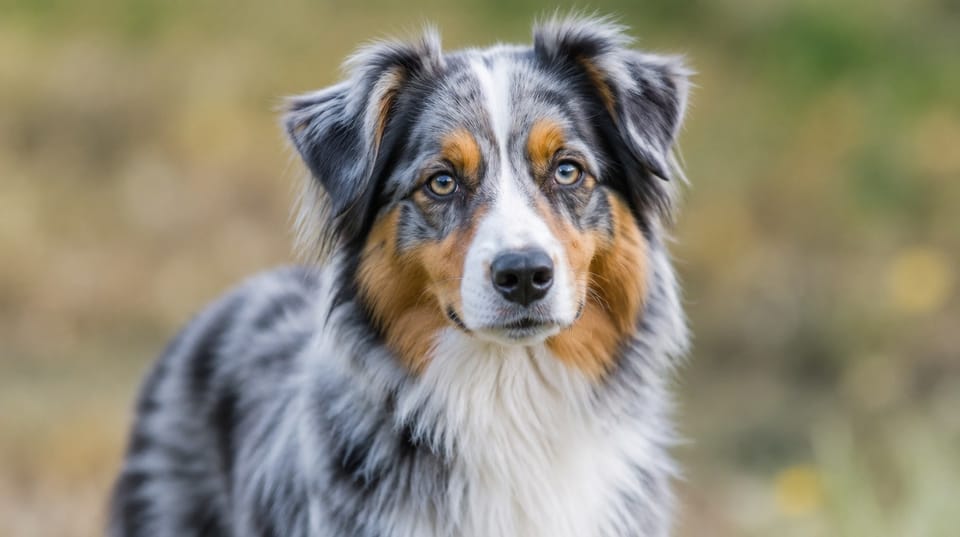
Picture an Australian Shepherd scaled down to fit in the footwell of a truck, and you have the idea behind the Miniature American Shepherd. He was developed in California in the 1960s from small Aussies, and he became a favorite of people who travel to horse shows. He kept everything about the bigger dog except the inches.
That includes the working brain. Living with a Mini means being watched closely by a quick, alert dog who learns the household schedule in a week and reminds you when you are running late. He is devoted to his family and likes to keep everyone in sight. Many pick one person to shadow.
He is good-natured and playful, and he generally does well with children and with other dogs. He is also a true herding dog. Some Minis circle and nip at the heels of running kids, and it needs redirecting from the start.
With strangers he tends to hold back. A well-bred Mini is reserved, not fearful, but without early socialization that caution can harden into shyness or alarm barking.
People choose this breed because it is small, and that is the trap. You get a herding dog's energy and needs in a compact body, and he does not behave like a small companion dog. That mismatch is the main reason Minis end up in rescue.
Exercise and activity
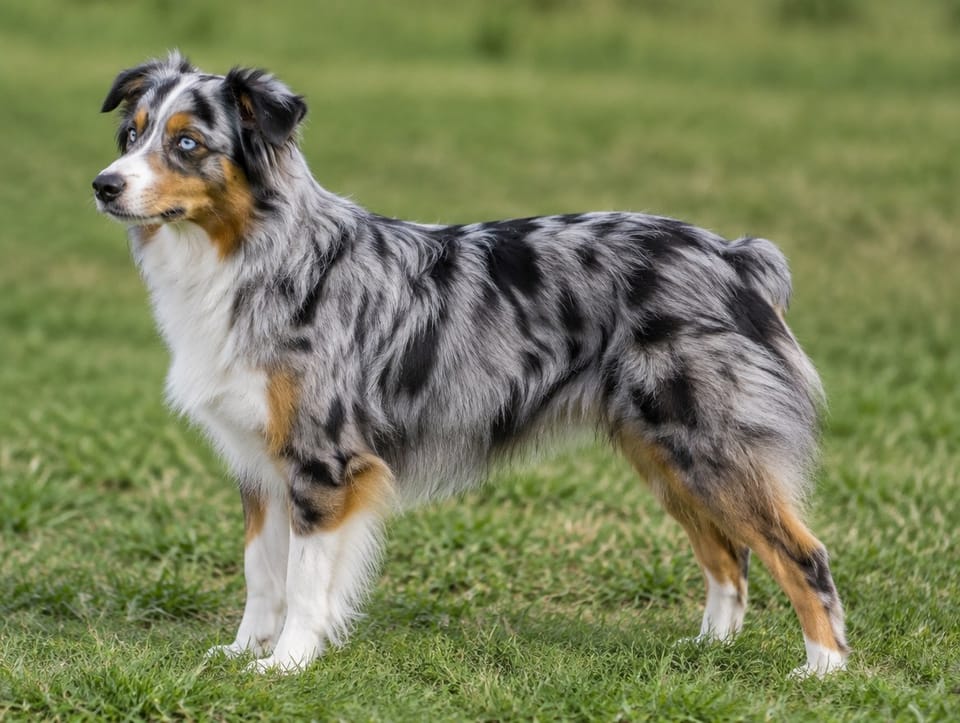
A Mini needs 60 to 90 minutes of activity a day, and part of it has to engage his mind.
A good day looks like this: a brisk 30-minute walk or a run in the morning, 15 minutes of training or a puzzle feeder at midday, and a game of fetch, frisbee or a hike in the evening. He will happily do more. He has the stamina for long trail days and is light enough to lift over a stile.
Minis are stars at agility, where their size and speed are an advantage, and they do well in rally, obedience, disc and herding. A weekly class gives him a job, and he badly wants one.
Skip the exercise for a few days and you will hear about it. Under-worked Minis bark, pace, herd the cat and find things to shred.
Because he can live in a smaller home, he suits an apartment better than most herding breeds, on one condition: you provide that hour or more outdoors every day, whatever the weather.
Go gently with puppies. Keep exercise short and let him set the pace until he has finished growing, at around a year.
Grooming and shedding
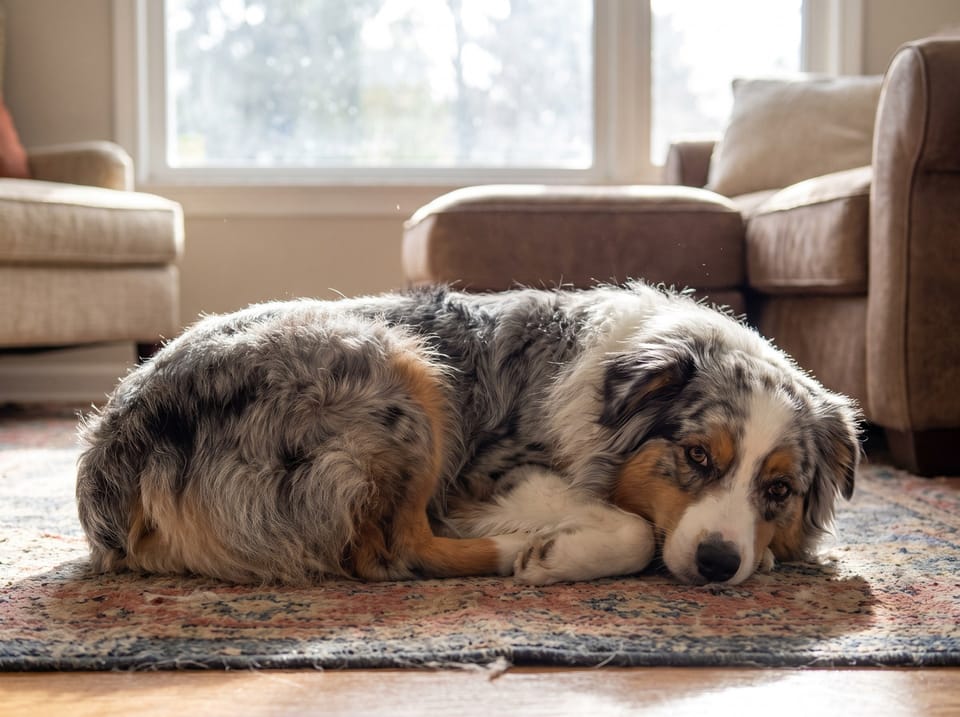
The coat is a medium-length double coat, straight or wavy, with a soft dense undercoat and feathering on the legs and a fuller ruff around the neck. It comes in black, blue merle, red and red merle, with or without white and tan markings.
He sheds, and that is the second hard thing to accept. Expect hair on the floor all year and a heavy molt in spring and fall that lasts two or three weeks.
Brush twice a week for 10 to 15 minutes, working down to the skin, and every day during a molt. An undercoat rake and a comb for the feathering are the tools you need. Tangles form behind the ears and on the back of the thighs.
Bathe every six to eight weeks. Do not shave him in summer, because the double coat helps him regulate temperature and protects the skin from sunburn. Trim nails monthly, check ears weekly and brush teeth several times a week.
Training
Minis are highly trainable. They are attentive, quick and keen to work with you, and most will learn a new behavior in a single short session. Use rewards, keep sessions lively and five to ten minutes long, and change the task often. They get bored with drilling.
Because he is clever, he needs clear rules. A Mini who is allowed to herd the children at four months will be doing it with more conviction at a year. When he starts to circle or nip, stop the game, ask for a sit, and give him something else to do, such as fetching a toy.
Socialization is the priority in the first four months, more so than for most breeds. Take him to see different people, friendly dogs, traffic, stores that welcome dogs and busy sidewalks. Keep visits short and pleasant, and let him approach at his own speed. Carry on through adolescence, when many Minis go through a cautious phase.
Teach a "quiet" cue early. He is a natural watchdog and will announce visitors, delivery trucks and unusual noises. Reward him for stopping after one or two barks.
Teach him to settle as well. Practice calm time on a mat every day, so that he learns to rest when nothing is happening.
A first-time owner can do well with this breed, provided you sign up for classes and enjoy the work.
Health watchlist
Miniature American Shepherds usually live 12 to 13 years and share most of their health picture with the Australian Shepherd.
Hip dysplasia occurs, despite the smaller size. Inherited eye diseases are a concern, including progressive retinal atrophy, which causes gradual blindness, and hereditary cataracts. The breed also carries a gene mutation, known as MDR1, that makes affected dogs dangerously sensitive to some common medications. A simple DNA test shows a dog's status, and your vet should know the result.
The Miniature American Shepherd Club of the USA asks breeders to have hips evaluated and eyes examined each year by a veterinary eye specialist, and to run DNA tests for progressive retinal atrophy, the MDR1 mutation, hereditary cataracts and an inherited nerve disease found in the breed. Ask for the certificates.
Two merle dogs must never be bred together. Puppies from that pairing are often born deaf, blind or both. Be wary of anyone selling extra-small "toy" or "teacup" versions, as breeding for tiny size brings its own problems.
Epilepsy is seen in related lines, so ask about seizures in the family.
Talk to your vet about your dog's MDR1 status before any medication, and about screening as he grows.
Is this breed right for you?
A great fit if
- you want a herding dog's brains in a size that fits a smaller home or car
- you are active for at least an hour every day
- you would enjoy agility or another dog sport
- you have school-age children who will join in training
- someone is around for much of the day
Think twice if
- you want a small dog because you think small means easy
- dog hair on clothes and floors bothers you
- you need a quiet dog
- the dog would be alone all day
- you have no time for training classes in the first year
Similar breeds
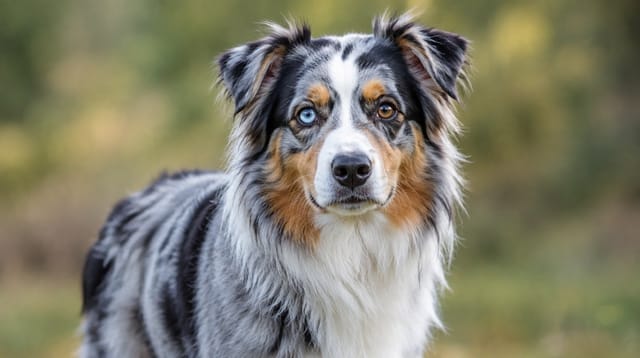 Australian ShepherdA brilliant, driven herding dog who thrives on hours of work and struggles in a quiet home.
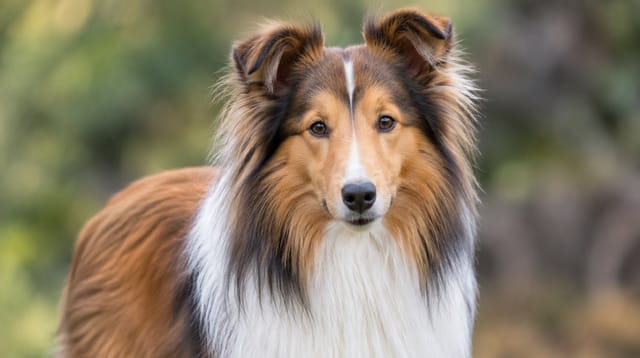 Shetland SheepdogA gentle, bright, eager-to-please small herding dog with a big coat to brush and a great deal to say.
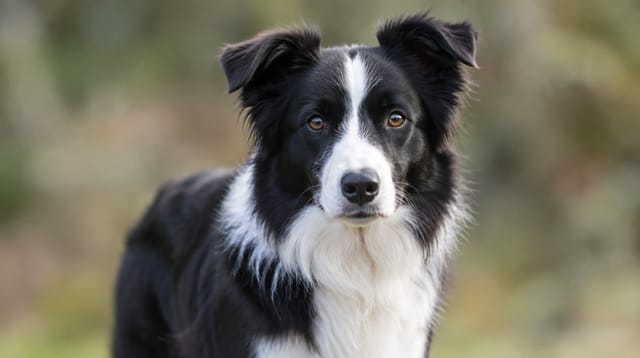 Border CollieA brilliant, tireless herding dog that needs two hours of exercise and brain work a day to stay sane.