
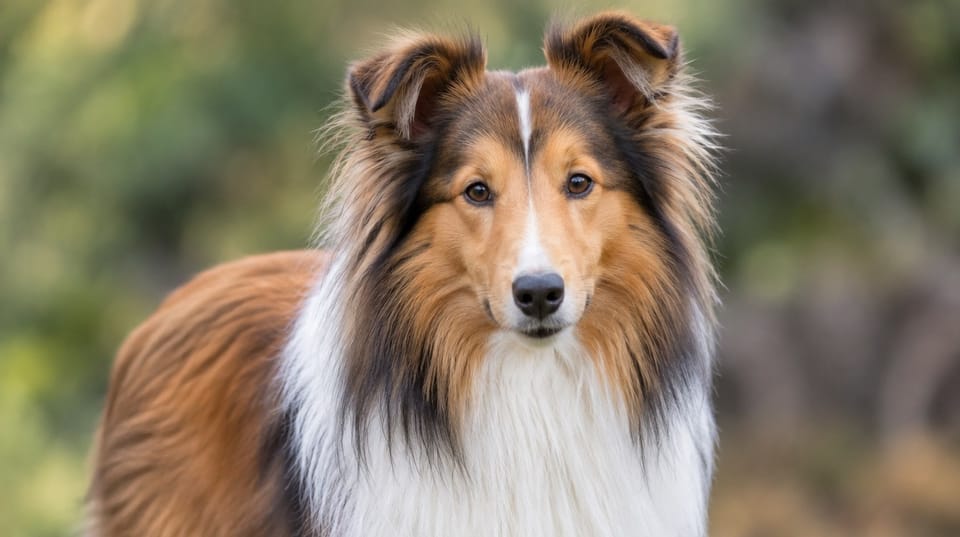
At a glance
- Group
- Herding
- Size
- Small
- Weight
- 15–25 lb
- Height
- 13–16 in
- Lifespan
- 12–14 years
Temperament
The Sheltie comes from the Shetland Islands, off the north coast of Scotland, where farms were small, grazing was thin and even the livestock ran undersized. His job was to keep sheep out of the crops and to raise the alarm when anything came near the croft. Both habits are alive and well in your living room.
Living with a Sheltie means sharing your home with a gentle, bright, intensely loyal little dog who watches your face for clues. He is sensitive to tone and mood, and a cross word aimed at someone else can send him to his bed. With his family he is affectionate and playful. He is good with considerate children and usually peaceful with other dogs and with cats.
With strangers he is reserved. A Sheltie will stand back and look a visitor over before deciding, and some never do warm up. That is normal for the breed. Timidity is not, and it comes from poor breeding or too little socialization.
Now the hard part, stated plainly: Shelties bark. They bark at the doorbell, at passing dogs, at squirrels, when they are excited, when they are playing and when someone leaves the room. The bark is high and sharp. Training reduces it. Nothing removes it.
He may also chase moving things, including cars, so a leash or a fence is a must.
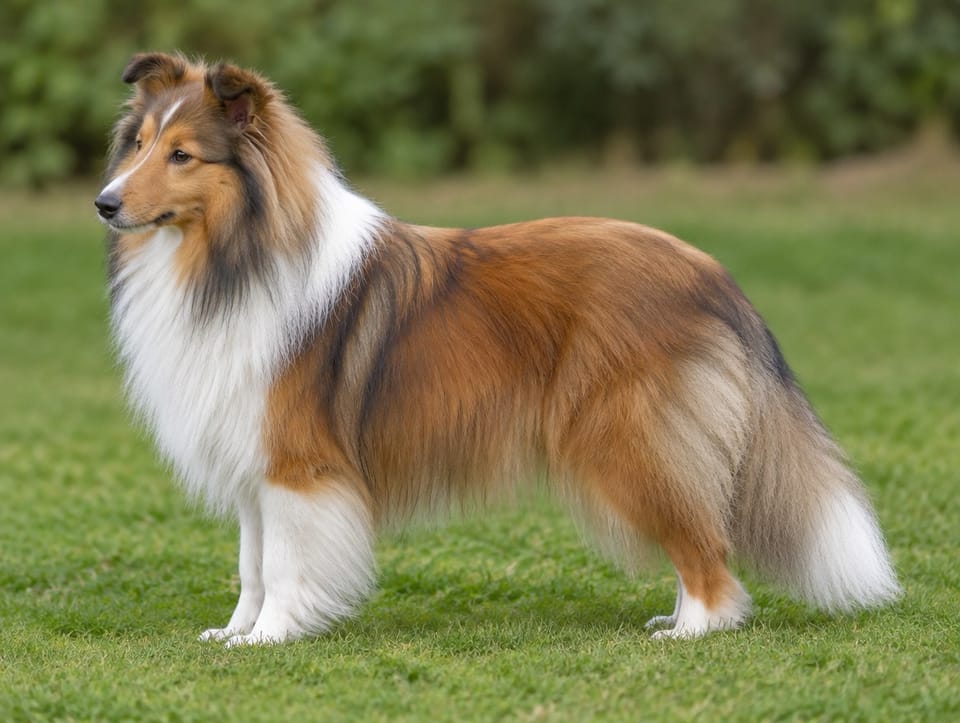
Exercise and activity
A Sheltie needs 45 to 60 minutes of activity a day. That is less than most herding breeds, and it makes him a realistic choice for a household that is active but not athletic.
Two walks of 20 to 30 minutes plus a game in the yard suits most adults. Add something for his mind, because this is one of the cleverest breeds. Ten minutes of trick training, a food puzzle or a hide-and-seek game with a toy makes a clear difference to how settled he is in the evening.
If you want to do more, he will go with you. Shelties are among the top breeds in agility and obedience, and they love having a sport to learn.
He can live in an apartment as far as exercise goes. The barking is what makes that hard, and you should think carefully about shared walls before you commit.
The thick coat makes him comfortable in cold weather and uncomfortable in heat. In summer, walk early or late, and give him shade and water.
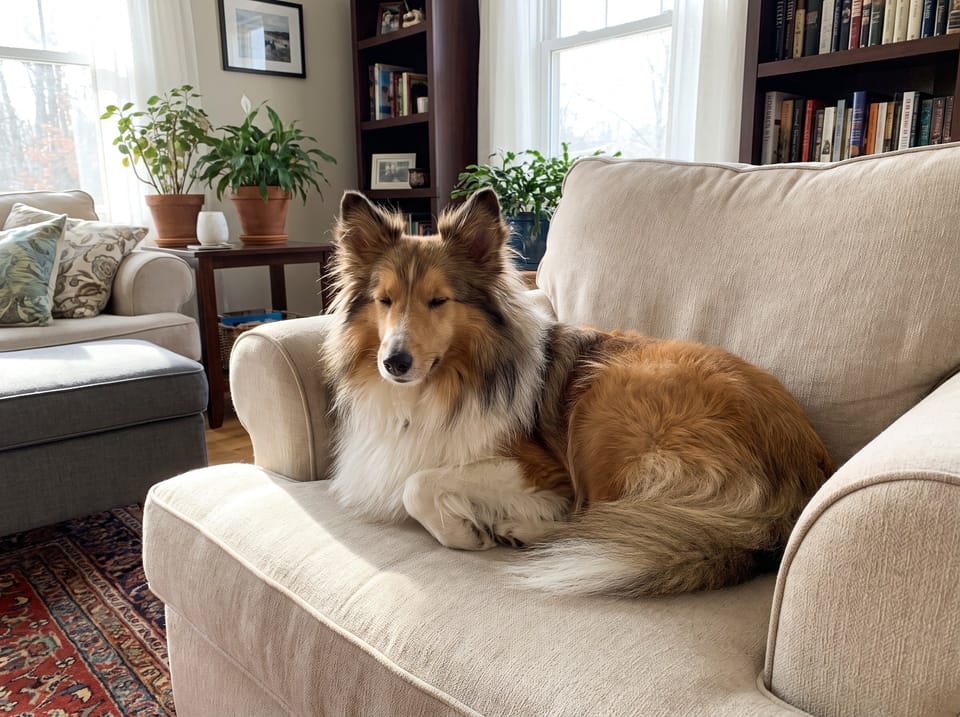
Grooming and shedding
This is the second hard part. The Sheltie has a long, straight, harsh outer coat over a short, dense, woolly undercoat, with a heavy mane around the neck and chest, feathered legs and a full tail. It is beautiful, and there is a lot of it.
He sheds through the year, and once or twice a year the undercoat comes out in clumps over two or three weeks. Females often shed after each season, and males usually once a year.
Brush thoroughly at least twice a week, for 20 to 30 minutes, and more often during a molt. Mist the coat lightly with water first, part the hair and brush in layers down to the skin with a pin brush. Brushing only the top leaves the undercoat to mat. Use a comb on the fine hair behind the ears, in the armpits and on the back of the thighs, where knots form first.
Bathe every one to two months and dry him fully. Never shave a Sheltie. The coat insulates in both directions and may not grow back properly.
Trim the hair between the pads and the nails every three to four weeks. Brush teeth several times a week, as small Shelties are prone to tartar.
Training
Shelties are a delight to train. They learn in a few repetitions, remember what they have learned and want very much to get it right. That eagerness is one reason we think the breed suits a patient first-time owner.
The key is gentleness. Use food, praise and play, and keep your voice soft. Harsh words or rough handling can shut a Sheltie down for days. If he gets something wrong, just ask again and reward the right answer.
Work on barking from the first week, not once it has become a problem. Teach a "quiet" cue: let him bark once or twice, say the word, and reward the moment he stops. Reward calm when the doorbell rings. Do not shout at him to stop, since to a Sheltie that sounds like you joining in. Manage what he can see too. A dog with a view of the street from the sofa will practice barking all day.
Socialize him early and widely. Let your puppy meet many kinds of people, hear city noise and visit new places, always at a distance where he stays relaxed. This is what turns natural reserve into quiet confidence instead of fear.
Teach a reliable recall, and still keep him on a leash near roads. The urge to chase is quick and strong.
Health watchlist
Shelties typically live 12 to 14 years. Several inherited conditions are known in the breed.
Eye disease heads the list, particularly Collie eye anomaly, which is present from birth and ranges from harmless to sight-threatening, and progressive retinal atrophy. Hip dysplasia occurs, though less often than in big dogs. Responsible breeders have hips evaluated and eyes examined by a veterinary eye specialist.
Like other collie-type breeds, some Shelties carry the MDR1 gene mutation, which causes dangerous reactions to certain common medications. An inherited bleeding disorder, von Willebrand disease, also occurs. DNA tests exist for both, and the American Shetland Sheepdog Association includes them in its testing program for breeding dogs. Ask the breeder which tests the parents have had.
Other conditions to know about include an underactive thyroid, an inherited skin and muscle disease called dermatomyositis, gallbladder problems and epilepsy.
Two merle Shelties should not be bred together, because the puppies are at high risk of deafness and blindness.
Size varies a good deal within the breed, so ask how big the parents are.
Talk to your vet about your dog's MDR1 status, eye checks and what to watch for over the years.
Is this breed right for you?
A great fit if
- you want a gentle, devoted dog who is easy to train
- you can give about an hour of walks and games a day
- you would enjoy agility, obedience or trick training
- you have a house with a fenced yard and some distance from neighbors
- you find brushing a dog relaxing
Think twice if
- you need a quiet dog, or share walls with neighbors
- dog hair around the house bothers you
- your home is loud and chaotic, with a lot of shouting
- you want a dog who greets every stranger warmly
- you live somewhere hot and humid without air conditioning
Similar breeds
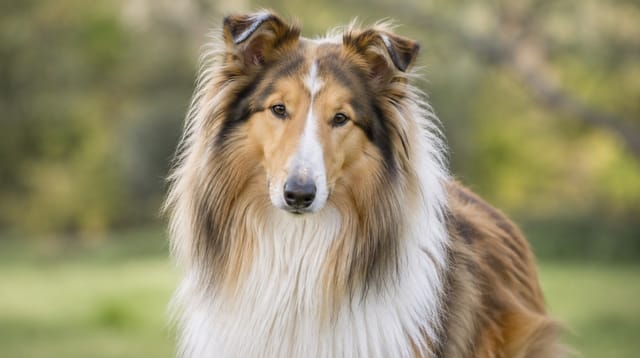 CollieA gentle, devoted, sensitive family dog who is easy to train, sheds a lot and likes to bark.
 Miniature American ShepherdA small, clever, devoted herding dog with full-size energy that needs daily exercise and a job.
 Border CollieA brilliant, tireless herding dog that needs two hours of exercise and brain work a day to stay sane.