
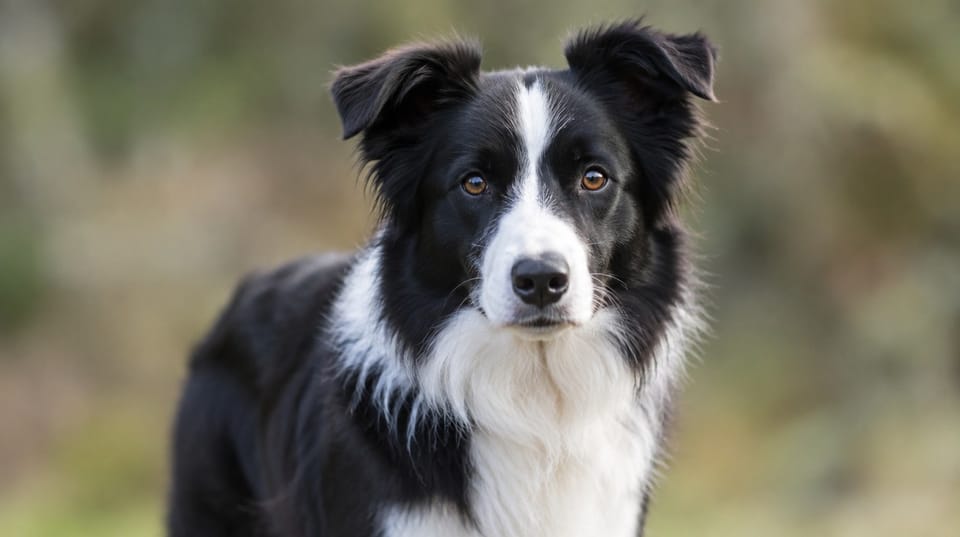
At a glance
- Group
- Herding
- Size
- Medium
- Weight
- 30–55 lb
- Height
- 18–22 in
- Lifespan
- 12–15 years
Temperament
You will know you live with a Border Collie the first time you look up from your coffee and find him staring at you, head low, waiting to hear what the plan is. He always thinks there is a plan. This is widely considered the most intelligent of all dog breeds, bred to work sheep over miles of hill from dawn to dusk, and he brings that same focus to your living room.
With his own people he is affectionate and deeply tuned in. He reads your mood, learns your routines and notices which shoes mean a walk. With strangers he can be reserved, and some are plainly shy.
The instinct to herd is strong, and it does not switch off because there are no sheep. Border Collies stalk, circle and sometimes nip at things that move: bicycles, joggers, cars, cats and running children. That is the main reason we are cautious about the breed in homes with small kids.
Many are also sensitive to sound and movement. Thunder, fireworks, a flickering light or a ceiling fan can set off real anxiety or a fixation that is hard to break.
Here is the honest summary. A Border Collie with enough to do is a brilliant companion. One without enough to do is among the hardest dogs to live with: barking, spinning, chasing shadows, taking the house apart. There is very little middle ground.
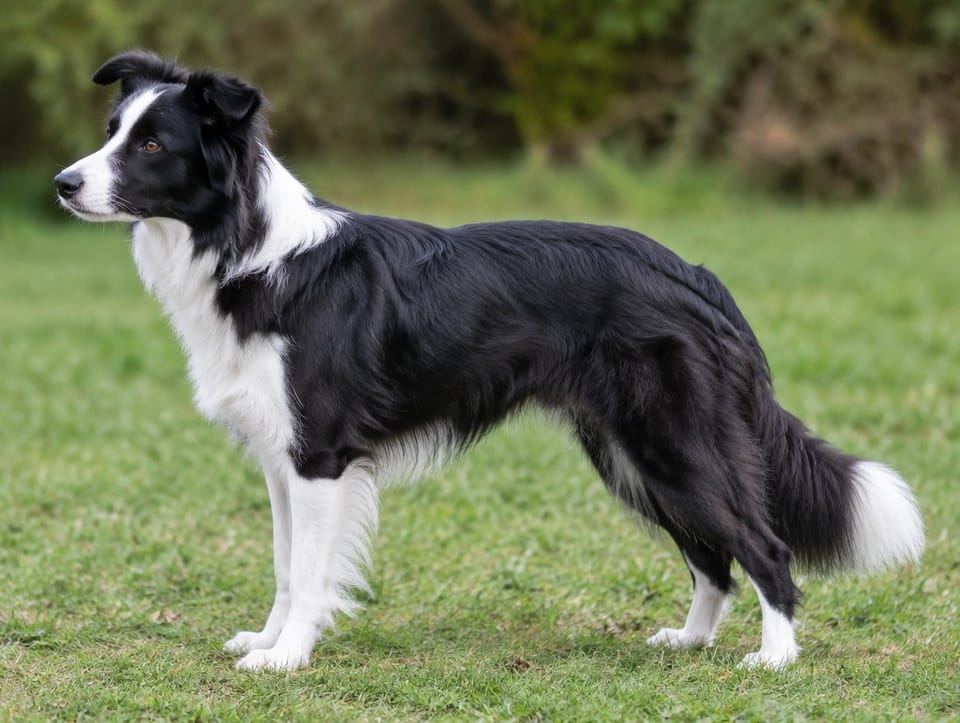
Exercise and activity
Plan on two hours a day, every day, and understand that miles alone will not do it. You can run a Border Collie for an hour and get home to a fitter dog who is still looking at you for the plan.
What settles him is work for his brain. Split the time roughly in half. Give him an hour of real movement: running off the leash in a safe place, hiking, fetch or frisbee, or jogging beside you once he is grown. Then give him an hour of thinking spread through the day: training new skills, scent games, puzzle feeders, and practice for a dog sport.
Sport is where this breed shines. Border Collies dominate agility, flyball, obedience and disc competitions, and herding lessons are available in many areas. If the idea of a weekly class and daily practice appeals to you, you are the right kind of owner.
Take care with endless ball throwing. Many Border Collies become obsessive about it and will go on until they are lame or overheated. Set a limit and end the game yourself.
A yard is useful but it is not exercise. He will not entertain himself out there. Fencing must be secure, because a bored Border Collie is an inventive escaper.
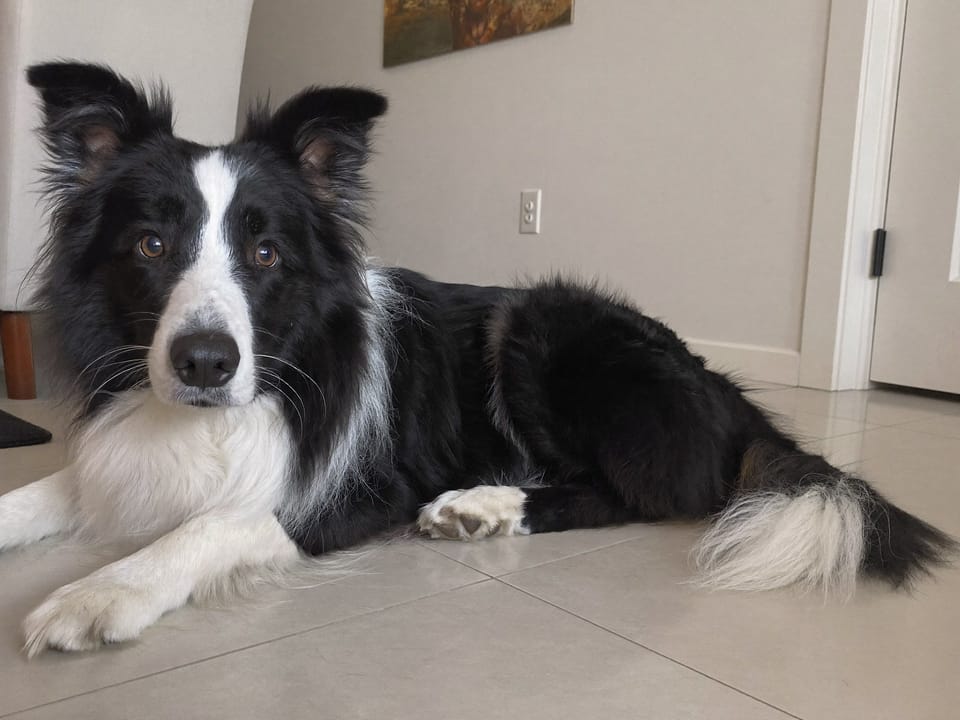
Grooming and shedding
The coat comes in two kinds. The rough coat is medium length with feathering on the legs, chest and tail. The smooth coat is short all over. Both are double coats, and both shed steadily through the year with a heavy drop in spring and fall.
Brush two or three times a week for 10 to 15 minutes, and daily when the undercoat is coming out. On a rough coat, check behind the ears and in the feathering on the back legs for tangles.
The coat sheds dirt well once it dries, so a bath every two to three months is usually enough. Trim nails monthly, check ears weekly and brush teeth several times a week. Do not shave the coat for summer. It protects him from sun as well as cold.
Training
No breed learns faster. A Border Collie can pick up a new cue in a handful of repetitions and remember it for life. People often take this to mean the breed is easy, and it is not.
He learns whatever is going on, wanted or not. If barking makes you throw the ball, he has learned that in two tries. If lunging at a car feels exciting once, he will do it again. He also notices every inconsistency in you. You need to be clear and fair, and you need to stay a step ahead.
Use rewards: food, toys and the chance to work. Harsh correction crushes a breed this sensitive and can make a shy dog fearful.
Teach these early, because they matter more than tricks. First, an off switch: reward him for lying quietly on a mat, and practice it daily, since calm does not come built in. Second, a solid recall and a "leave it" strong enough to interrupt a chase. Third, relaxed behavior around traffic, bikes and running children, started in puppyhood, on a leash and at a distance.
Socialize generously. Introduce your puppy to many people, places, surfaces and sounds before 16 weeks, and keep it up through his first two years.
For a first-time owner this is a demanding choice. It can work if you want a training hobby, not just a pet, and you find a good class from the start.
Health watchlist
Border Collies are a hardy breed and commonly live 12 to 15 years. Several inherited conditions are known.
Hip dysplasia, in which the hip joint forms poorly and becomes arthritic, occurs in the breed. So do inherited eye diseases, most notably Collie eye anomaly. The Border Collie Society of America asks that breeding dogs have their hips evaluated and their eyes examined by a veterinary eye specialist. DNA tests exist for Collie eye anomaly and for several rarer inherited diseases of the nervous and immune systems, and careful breeders use them.
Epilepsy is seen in some lines and has no screening test, so ask the breeder directly about seizures among relatives. Deafness occurs, more often in dogs with a lot of white on the head. A minority of Border Collies carry a gene that makes them react badly to certain common drugs. A test is available, and it is worth raising with your vet.
Two merle dogs should never be bred together. Puppies from that pairing are at high risk of being born deaf, blind or both.
Talk to your vet about screening results, joint care for an athletic dog and a plan for noise fears if they appear.
Is this breed right for you?
A great fit if
- you want a dog sport or serious training as a hobby
- you are active outdoors for a couple of hours every day
- you live in a house with a secure yard or in the country
- someone is home for most of the day
- you enjoy a dog who is closely tuned in to you
Think twice if
- you live in an apartment
- you want a dog who is content with a walk and a nap
- you have small children, cats or both
- this is your first dog and your time is limited
- the dog would be alone during a working day
Similar breeds
 Australian ShepherdA brilliant, driven herding dog who thrives on hours of work and struggles in a quiet home.
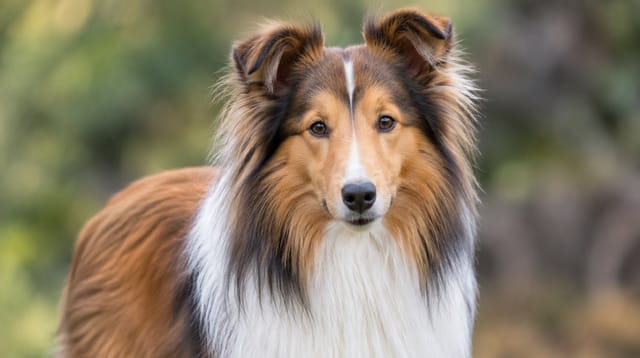 Shetland SheepdogA gentle, bright, eager-to-please small herding dog with a big coat to brush and a great deal to say.
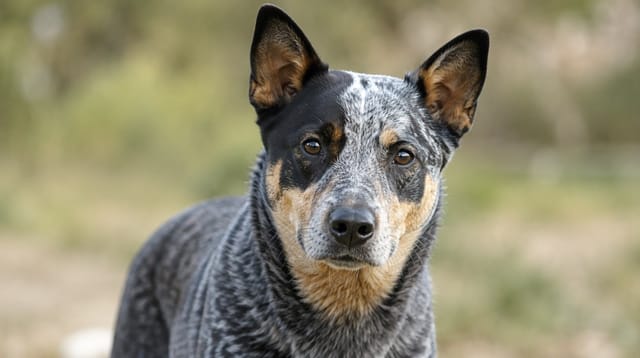 Australian Cattle DogA tough, brilliant, tireless herding dog for experienced owners who can give him hours of work a day.