
At a glance
- Group
- Non-Sporting
- Size
- Medium
- Weight
- 40–50 lb
- Height
- 14–15 in
- Lifespan
- 8–10 years
Temperament
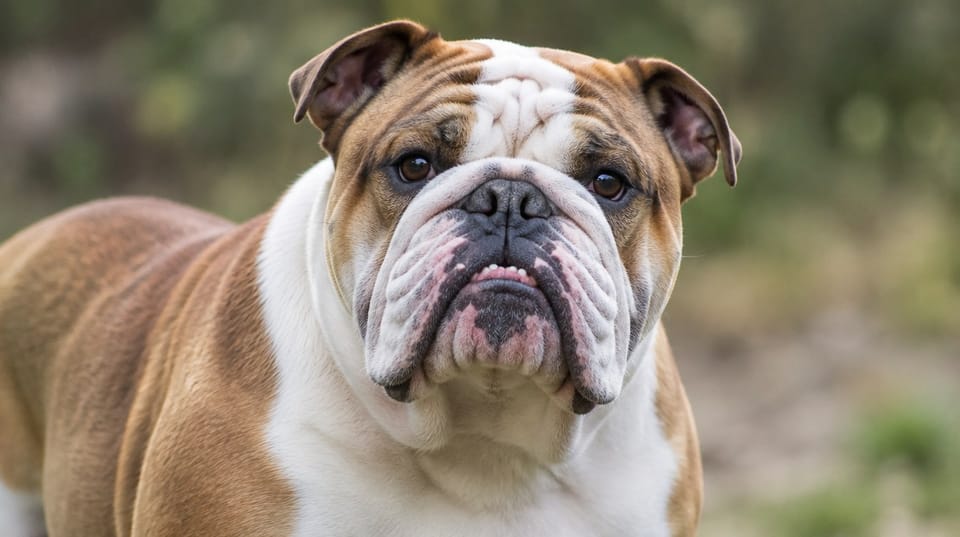
The Bulldog has one of the most misleading faces in the dog world. He looks like a bouncer and behaves like a retired gentleman. Living with a Bulldog means a heavy, snoring companion whose main ambitions are to be near you, to be comfortable and to be fed on time.
He is gentle, steady and affectionate. Bulldogs are friendly with visitors, seldom bark and are not easily rattled by noise or bustle. Most are patient and good-natured with children. Do keep in mind that 50 pounds of low-slung dog can bowl over a toddler without meaning to, and that his short airway makes rough, overexciting play a poor idea.
He is also stubborn, and famously so. A Bulldog who does not want to walk will sit down, and you will discover how heavy 50 pounds can be. He is not being defiant so much as conserving effort.
Expect noise of a different kind: snoring, snorting, wheezing and wind. Expect some drool as well, especially around meals and after drinking.
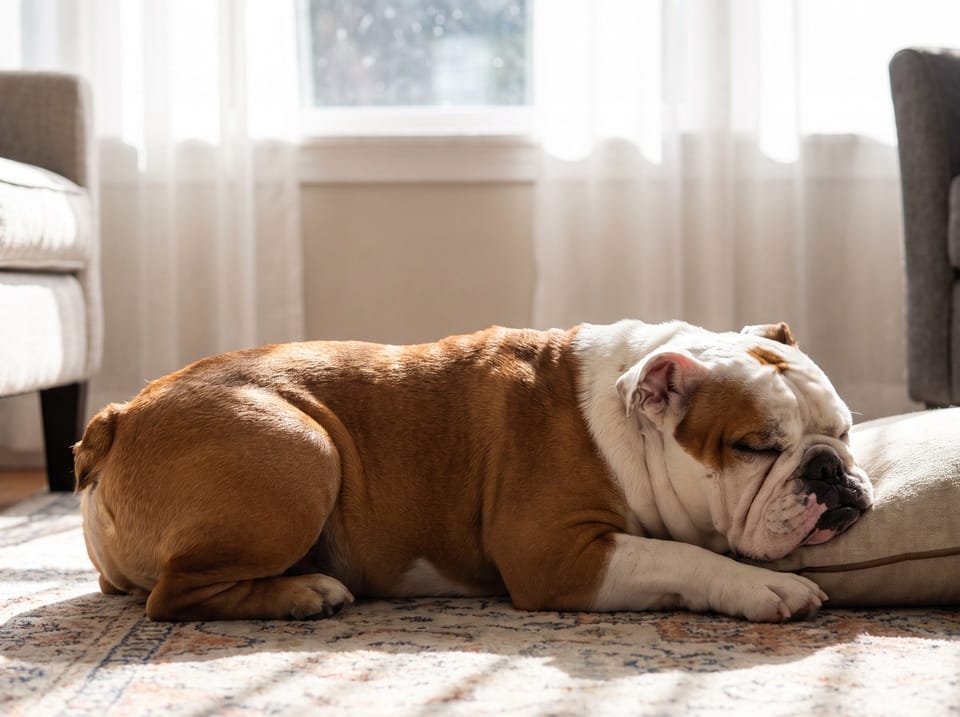
Bulldogs like company and are happiest when someone is home, but they are calm dogs, and most adults cope with three or four hours alone, which they will spend asleep.
Exercise and activity
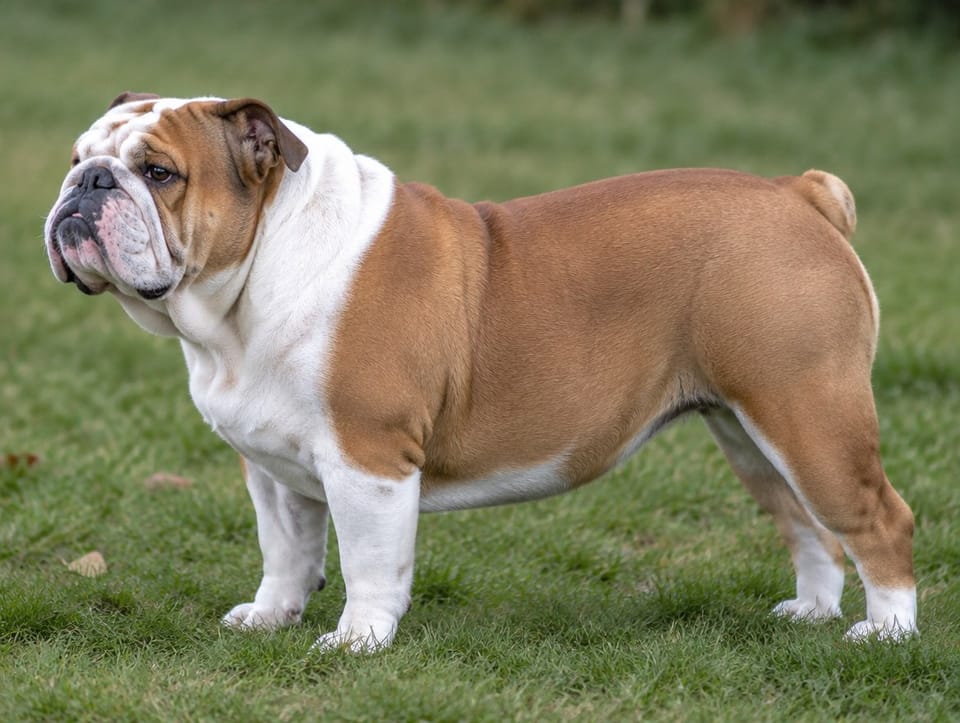
A Bulldog needs less exercise than most breeds, but he does need some. Two gentle walks of 15 to 20 minutes a day keep an adult in reasonable shape and help hold his weight down. Add a little indoor play and he is content.
The limit is heat, and this is the first hard part. The Bulldog's very short muzzle and narrow airway make it difficult for him to cool himself by panting. He can overheat quickly, in temperatures that would not trouble another dog, and overheating is a genuine emergency for this breed. In warm weather, walk at dawn or after dark, keep outings short, carry water and keep him in air conditioning for the rest of the day. On hot, humid days, skip the walk. Never leave him in a parked car or in a sunny yard.
He is not a jogging, hiking or cycling companion.
Water is a hazard too. With a heavy head, a wide chest and short legs, most Bulldogs cannot swim. Keep him away from pools and ponds unless he is wearing a life jacket and you are right beside him.
Stairs are hard work for his build, and jumping down from furniture is hard on his joints. Use a harness for walks so nothing presses on his throat.
Grooming and shedding
The coat itself is simple: short, smooth and fine. Brush two or three times a week with a soft brush for about ten minutes. Bulldogs shed moderately all year, a little more in spring and fall.
The skin is where the work is. The deep wrinkles on his face, and especially the heavy fold over the nose, trap moisture, food and dirt. Wipe them clean and dry them thoroughly every day. Check the pocket around the tail as well, since on dogs with a tight screw tail it can become sore and infected. Skipped for a few days, these folds turn red and smelly.
Wipe his face after meals. Check ears weekly. Trim nails every two to three weeks, because a dog who walks so little does not wear them down. Brush teeth several times a week; his short jaw crowds the teeth together.
Bathe him about once a month and dry every fold afterward.
Training
Bulldogs are sweeter and more willing than their reputation suggests. They like pleasing their people and they love food, and those two facts are your whole training plan. Use tiny treats, keep sessions to five minutes, and stop while he is still interested.
What you will not get is speed. A Bulldog thinks things over. Repeating the command louder does not help. Wait, reward the right answer, and try again later. If he decides the lesson is finished, it is.
Start young with the basics: his name, sit, coming when called, and walking on a leash without planting himself. Teach him to give up toys and chews in exchange for a treat. Bulldogs love to chew and play tug, and some become possessive about food or toys if this is not taught early.
Get him used to handling from the first week. You will be cleaning his wrinkles, ears and tail pocket for his whole life, so make it something he tolerates, with treats.
Socialize him with calm dogs and a range of people while he is a puppy. Some Bulldogs can be pushy with other dogs, particularly of the same sex.
Count the treats against his meals. He gains weight easily and extra pounds make his breathing worse.
Health watchlist
This is the second hard part, and you should weigh it seriously. The Bulldog has more health problems than almost any other breed, and his typical lifespan of 8 to 10 years is short for a dog his size. Vet costs can be high, so look into pet insurance while he is young.
Breathing is the central issue. Narrow nostrils, a long soft palate and a narrow windpipe leave many Bulldogs short of air, particularly in heat, when excited or during exercise. Some breathe comfortably and others need surgery. Anesthesia carries extra risk in short-faced dogs.
Skin fold infections, allergies, cherry eye and inward-rolling eyelids are common. So are hip and other joint problems, slipping kneecaps and some heart conditions. Most Bulldog puppies are delivered by cesarean section.
The Bulldog Club of America's recommended screening for breeding dogs covers the kneecaps, the heart and an X-ray evaluation of the windpipe. Ask to see the results. Meet the parents and listen to them breathe after they have moved around: you want open nostrils and quiet breathing at rest. Avoid breeders selling "rare" colors such as blue, black or merle, which the breed standard does not accept.
Talk to your vet early about your dog's breathing, his weight and how to keep him safe in summer.
Is this breed right for you?
A great fit if
- you want a calm, affectionate, undemanding companion
- you live in an apartment or a home with little outdoor space
- you have air conditioning
- short, slow walks suit your lifestyle
- you can budget for insurance and regular vet care
Think twice if
- you live in a hot climate without reliable cooling
- you want a dog for running, hiking or the beach
- daily skin care, drool and snoring would wear you down
- a large unexpected vet bill would be a serious problem
- your home has several flights of stairs
Similar breeds
 French BulldogA small, funny, people-loving companion that suits apartment life but struggles in heat and can be costly at the vet.
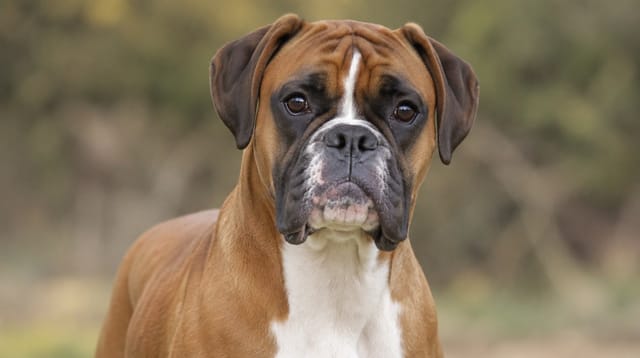 BoxerA playful, bouncy, devoted family dog that stays a puppy for years and struggles in heat and cold.
 PugA sturdy, comical, people-loving companion who suits apartments, sheds heavily and struggles in heat.