
At a glance
- Group
- Hound
- Size
- Medium
- Weight
- 40–65 lb
- Height
- 11–15 in
- Lifespan
- 12–13 years
Temperament
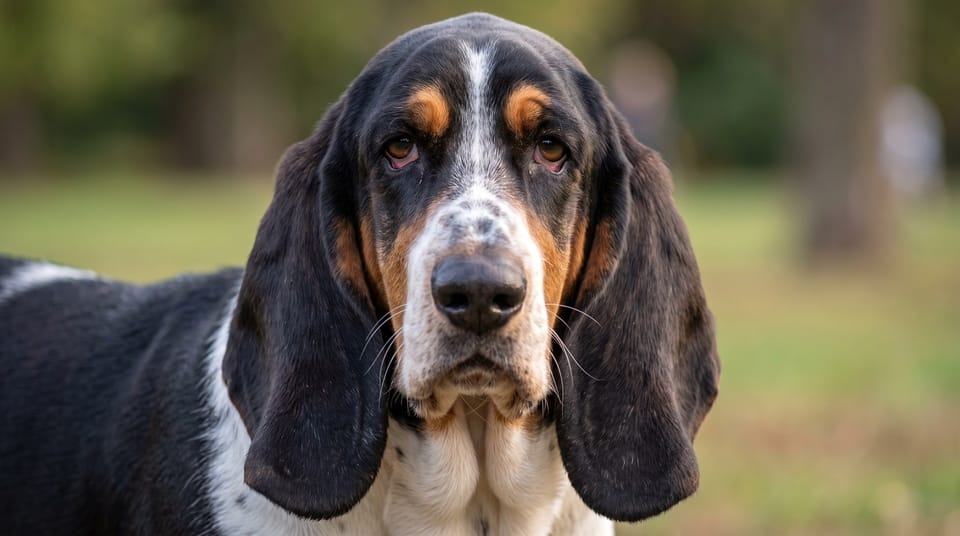
Nobody hurries a Basset Hound. He gets up when he is ready, walks at the speed the smells allow, and looks at you with an expression of deep sorrow that has nothing to do with how he feels. Underneath the droopy face is a placid, good-humored, sociable dog who is very hard to upset.
Bassets were bred in France to trail rabbits and hares in packs, slowly enough for hunters to follow on foot. Two things follow from that. First, he is a pack animal. He likes company, human or canine, gets along with nearly every dog he meets and is patient with children. Second, he has one of the best noses in the dog world, said to be second only to the Bloodhound's, and when it switches on his ears switch off.
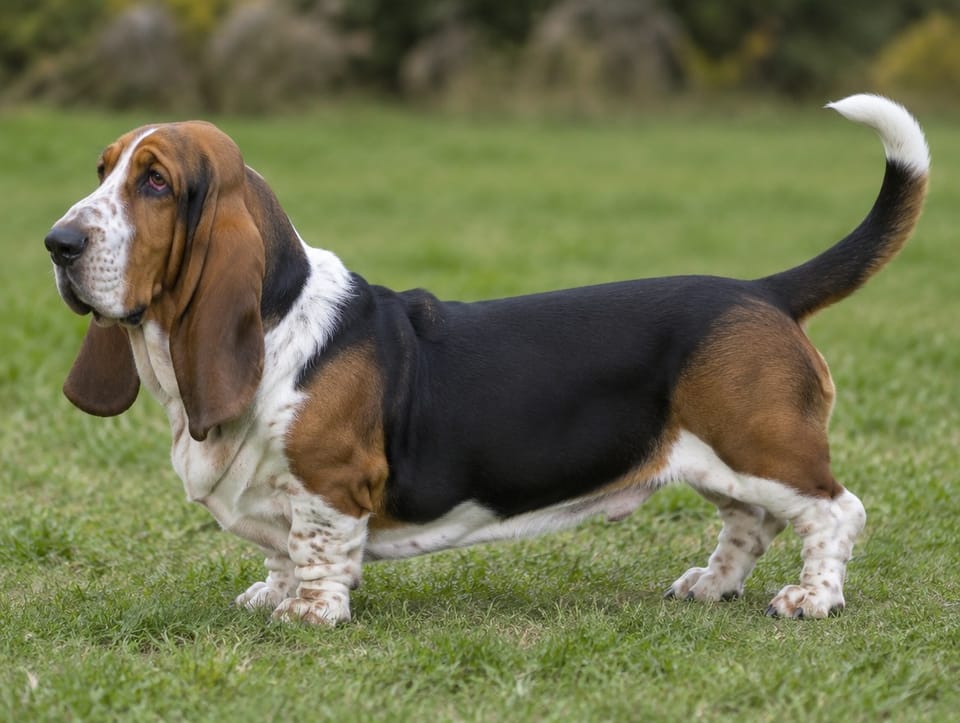
Around the house he is calm and fond of soft furniture. Do not mistake him for a small dog. A Basset stands no more than 15 inches at the shoulder but weighs 40 to 65 pounds, with heavier bone for his size than any other breed. He is a big dog on short legs, and he is heavy to lift.
He is also loud. Bassets have a deep, carrying bay, and many howl when they are bored or left alone. As a pack hound he finds solitude hard, and neighbors tend to hear about it.
Exercise and activity
A Basset needs less exercise than most dogs his weight, but he does need it. Aim for 30 to 45 minutes a day, split into two unhurried walks. Left to choose, many Bassets would skip it and sleep, and that is how they get fat.
Let him sniff. For a scent hound, following a trail is the point of going out, and a slow walk where he can work a hedge line tires him more than a brisk one where you drag him along. Scent games in the yard, such as a trail of treats or a hidden toy, suit him perfectly, and tracking is a sport he was built for.
Keep him on a leash or in a securely fenced area. A Basset on a scent will follow it across a road without looking up, and calling him will not help. Check your fence for gaps at ground level.
Protect his back and joints. The long spine and short, crooked front legs are not made for jumping. Discourage leaping off furniture and out of cars, use a ramp if you can, and limit stairs for puppies while they grow. He has stamina for a long, slow ramble, but he is not a jogging partner.
Grooming and shedding
The short, smooth coat looks easy, and brushing it is. What surprises new owners is how much of it comes out. Bassets shed steadily all year. Brush two or three times a week with a rubber mitt or a firm bristle brush to keep the hair off your floors.
The rest of the job is about folds, flaps and drool. This is the first hard part of the breed.
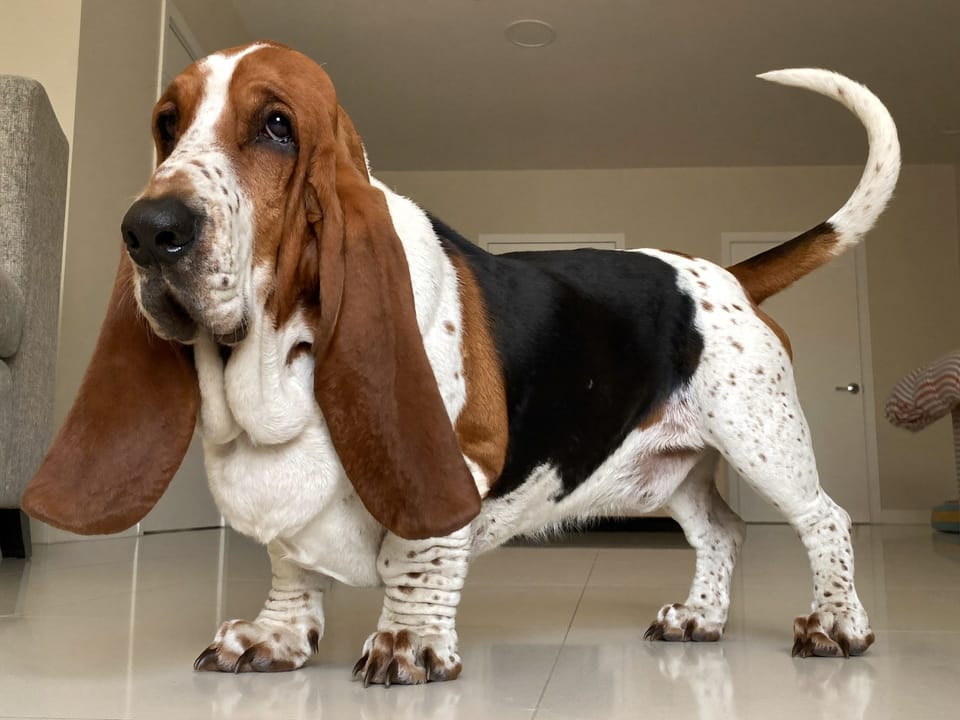
The ears are the longest of any dog and they drag on the ground, dip in the water bowl and seal off the ear canal. Clean them every week and dry them when they get wet, or they will become sore and smelly. Wipe the loose skin around the mouth and any body folds a few times a week. Check the droopy lower eyelids, which collect dust and debris.
Bassets drool, especially after drinking and around food, and they have a distinct hound smell that a bath every four to six weeks reduces but does not remove. If you are fussy about your house, think hard.
Trim nails every two to three weeks. They are thick and grow fast, and long nails strain those heavy front feet. Brush teeth several times a week.
Training
Here is the second hard part. A Basset is not stupid, but he was bred to think for himself on a trail and to keep going no matter what, and he applies the same persistence to ignoring you. Ask him to sit and he may look away, consider it and lower himself slowly, or not.
Training works when it is worth his while. Bassets will do a great deal for food. Use small treats taken from his daily ration, keep sessions to five minutes and stop while he is still interested. Repetition bores him, and scolding simply makes him dig in.
Be realistic. You can teach a Basset good manners: a sit, a wait at the door, walking on a loose leash, coming when called inside a fenced yard. A reliable recall in open country is more than most owners ever achieve, and it is safer to accept that than to test it.
House training is slow in this breed. Many take six months or longer. Take him out on a fixed schedule, reward him outside straight away and supervise or crate him indoors until he is reliable.
Teach him early to be alone for short spells, and to have his ears, mouth and feet handled.
Health watchlist
Many Basset problems come from his shape. Ear infections are the most common, for the reasons above. The long back and short, curved legs make him prone to disc problems and to elbow and other joint trouble, and every extra pound makes these worse. Bassets gain weight very easily and beg convincingly, so measure his food.
The deep chest puts him at risk of bloat, in which the stomach fills with gas and can twist. It is an emergency. Ask your vet what the warning signs look like.
The eyes need watching. Glaucoma, a painful rise in pressure inside the eye, is a known inherited problem in the breed, and the droopy lids can cause irritation. The breed also carries an inherited bleeding disorder called thrombopathia.
The Basset Hound Club of America recommends an examination by a veterinary ophthalmologist for breeding dogs, along with DNA tests for an inherited form of glaucoma, thrombopathia and two rarer inherited conditions, Lafora disease and mucopolysaccharidosis. Ask the breeder to show you the results for both parents.
Keep him lean enough that you can feel his ribs, and talk to your vet about his weight, his ears and how to protect his back.
Is this breed right for you?
A great fit if
- you want a calm, gentle, sociable family dog
- you like slow walks and have no wish to run
- you have children or another dog to keep him company
- you have a securely fenced yard
- stubbornness makes you laugh instead of lose your temper
Think twice if
- you want an obedient dog who comes when called off the leash
- drool, dog smell and hair on the furniture would bother you
- you have close neighbors and the dog would be alone much of the day
- your home has many stairs, or you could not lift a 60-pound dog
- you want a partner for running or long hikes
Similar breeds
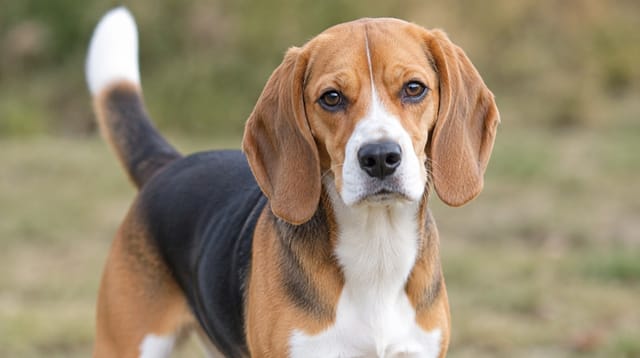 BeagleA merry, sociable scent hound who is wonderful with kids, ruled by his nose and loud when bored.
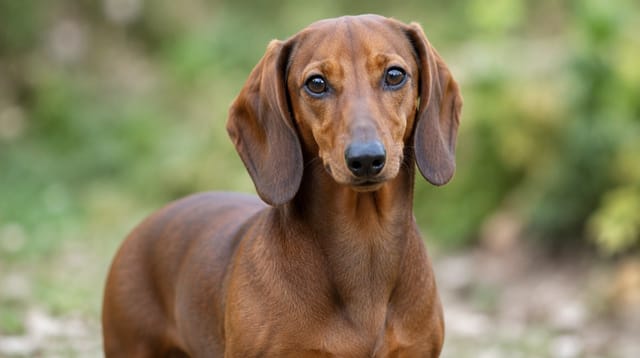 DachshundA bold, funny, long-backed little hound who barks a lot and needs his spine protected for life.
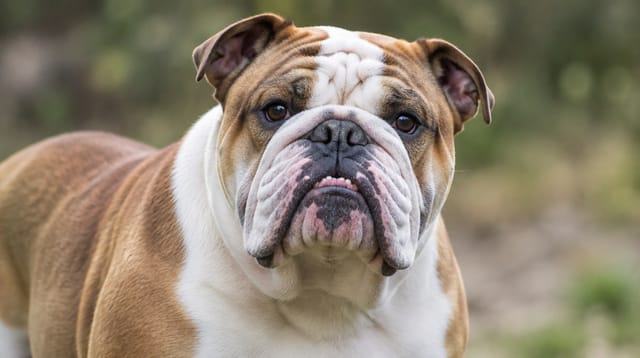 BulldogA gentle, stubborn, low-energy homebody with heavy health needs who cannot cope with heat.