
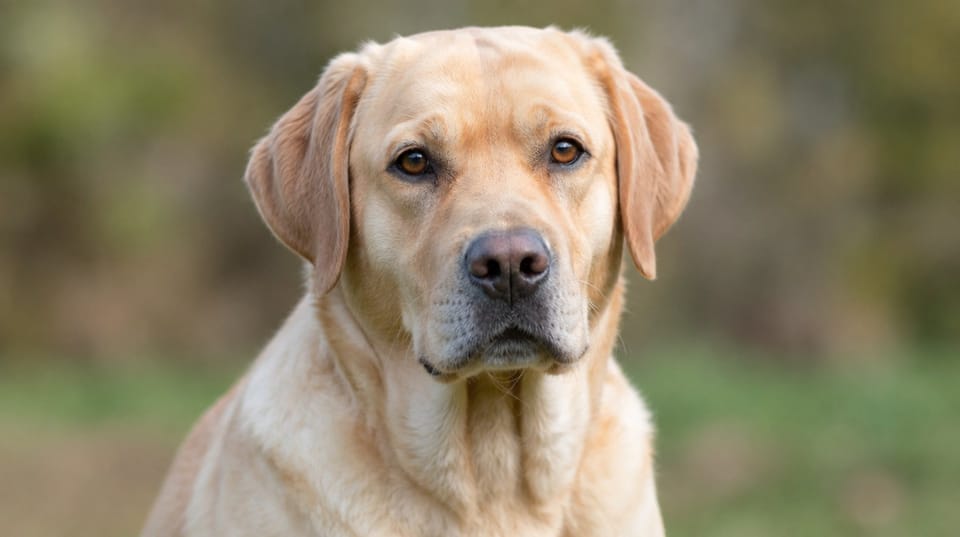
At a glance
- Group
- Sporting
- Size
- Large
- Weight
- 55–80 lb
- Height
- 21.5–24.5 in
- Lifespan
- 11–13 years
Temperament
A Labrador wakes up happy and stays that way. Living with one means a dog who is thrilled to see you after five minutes apart, who carries a toy to the door for every visitor, and whose thick tail knocks cups off the coffee table on a daily basis. Labs are friendly with nearly everyone: children, strangers, other dogs. They are steady, forgiving and very hard to offend.
They are also a lot of dog, especially when young. A Lab under three years old is strong, bouncy and uses his mouth for everything. He will chew shoes, remote controls and table legs if he is bored, and he will jump up to say hello with 70 pounds behind him. The calm, sensible Lab you may have met at a friend's house was probably five or six years old and the result of a few years of work.
Two things drive a Labrador: people and food. Both make him a pleasure to train. The second also makes him a tireless thief who will eat whatever he can reach, edible or not.
Labs do not enjoy long days alone. They were bred to work beside a person all day and they still want to.
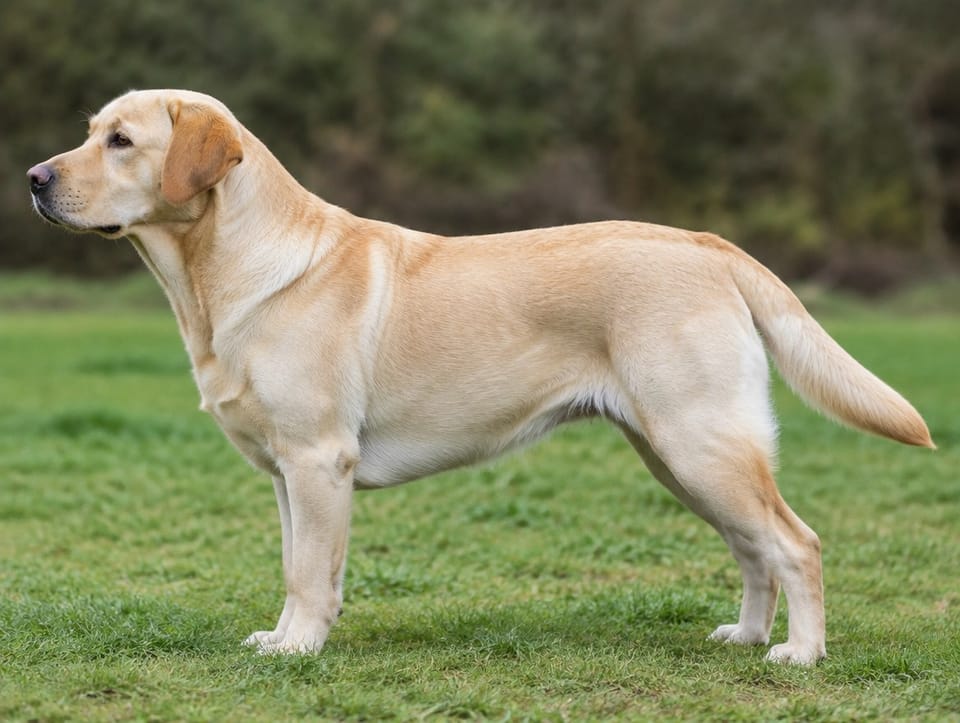
Exercise and activity
Plan on 60 to 90 minutes of proper exercise every day for an adult. Labs were developed to retrieve from cold water for hours, and they have the stamina to match. A stroll around the block will not take the edge off.
The best exercise uses what the breed was made for: fetch, swimming, long walks off the leash in safe places, hiking and running once the dog is fully grown. Most Labs will go into any water they find, clean or otherwise, so keep a towel in the car.
Add some brain work. Hiding a toy for him to find, scattering part of his dinner in the grass, or ten minutes of training will tire him as well as a much longer walk.
Be honest with yourself here. Most "problem" Labradors are bored, under-exercised Labradors. If you cannot give this dog an hour or more outdoors every day, in winter and in rain, he will chew, dig and bounce off the walls. That is the first hard part of the breed.
With puppies, keep walks short and avoid repeated jumping and long runs while the joints are developing. Your vet can tell you when to step it up.
You may hear about two types. Field or working lines tend to be lighter, faster and more driven. Show lines are usually stockier and a little calmer. Ask the breeder which you are getting, because it changes how much exercise the dog will want.
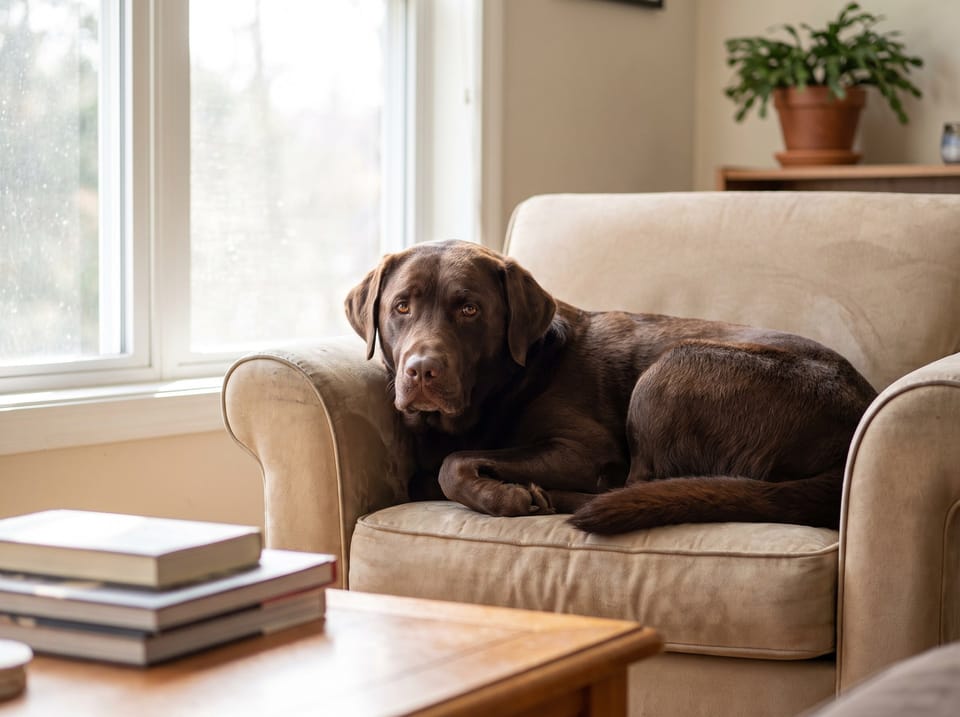
Grooming and shedding
The short coat looks low-maintenance, and in terms of effort it is. A good brush once or twice a week takes ten minutes. Bathe every couple of months, or when he has rolled in something.
What surprises new owners is the shedding. Labs have a dense double coat and they lose hair all year, with heavy sheds in spring and fall when you will want to brush daily. Short hairs get into carpets, car seats and clothes. If you want a tidy house without frequent vacuuming, think carefully.
Check the ears every week and dry them after swimming. Drop ears that are often wet are prone to infection. Trim nails every three to four weeks and brush teeth several times a week.
Training
Labs are some of the most trainable dogs there are, which is why they are so widely used as guide dogs, assistance dogs and search dogs. They learn quickly, they want to please, and they will do almost anything for a piece of kibble.
A first-time owner can do very well with a Lab, as long as training starts early and carries on through adolescence. Between about six and eighteen months, expect a strong teenager who has apparently forgotten everything. Keep going. It passes.
Put your first efforts here:
- Loose-leash walking. An adult Lab who pulls is hard for most adults to hold and impossible for a child.
- Four feet on the floor. Reward calm greetings from the first week, and ask visitors to do the same.
- "Leave it" and "drop." A dog who eats everything needs these for his own safety.
- Coming when called. Practice it everywhere, with good rewards, before you let him off the leash near roads or livestock.
Give him things he is allowed to chew, and put away what he is not. Use rewards and short, upbeat sessions. Take training treats out of his daily food ration.
Health watchlist
Labradors are generally robust, and the typical lifespan is 11 to 13 years. The second hard part of the breed is weight. Labs are famously greedy and gain weight easily, and an overweight Lab is at greater risk of joint trouble and other problems. Measure every meal, go easy on treats, and do not trust his opinion on whether he has been fed.
Hip and elbow dysplasia, where the joints form poorly and later become arthritic, occur in the breed. So do inherited eye conditions, including progressive retinal atrophy, which causes gradual loss of sight. Some young Labs have exercise-induced collapse, an inherited condition in which the dog becomes weak and wobbly after intense exercise. Ear infections are common, particularly in dogs that swim. Like other large, deep-chested dogs, Labs can develop bloat, a sudden twisting of the stomach that is an emergency.
Responsible breeders screen both parents. The Labrador Retriever Club recommends hip and elbow evaluations, an eye examination by a veterinary ophthalmologist, and a DNA test for exercise-induced collapse. Ask to see the results before you choose a puppy.
Talk to your vet about the right weight for your dog and about a screening plan as he grows.
Is this breed right for you?
A great fit if
- you are active and want a dog to join in walks, swims, hikes and games every day
- you have children and want a sturdy, tolerant, good-humored family dog
- you are willing to train consistently through the first two or three years
- there is usually someone at home
Think twice if
- you cannot commit to at least an hour of exercise a day
- dog hair around the house would bother you
- the dog would spend most of the working day alone
- you want a calm dog from the start, since young Labs are anything but
- you live in a small apartment without easy access to open space
Similar breeds
 Golden RetrieverA friendly, eager-to-please family dog that needs daily exercise and regular brushing.
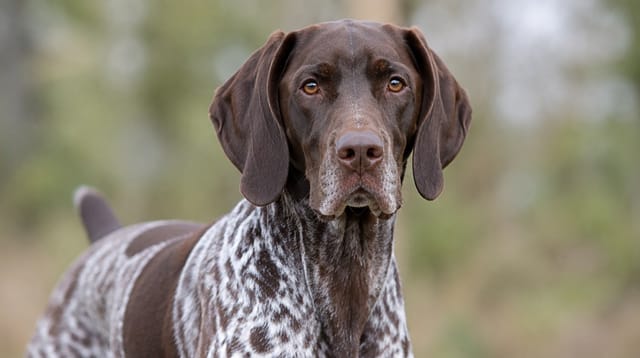 German Shorthaired PointerA tireless, affectionate bird dog for runners and hunters; too much dog for a quiet household.
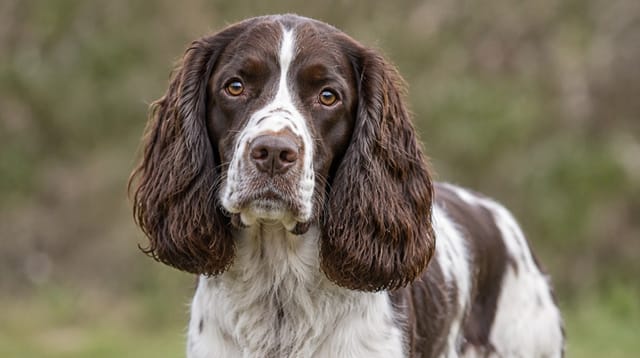 English Springer SpanielA merry, affectionate, easy-to-train gundog that needs plenty of exercise, company and ear care.