
At a glance
- Group
- Sporting
- Size
- Medium
- Weight
- 30–40 lb
- Height
- 17.5–20.5 in
- Lifespan
- 12–14 years
Temperament
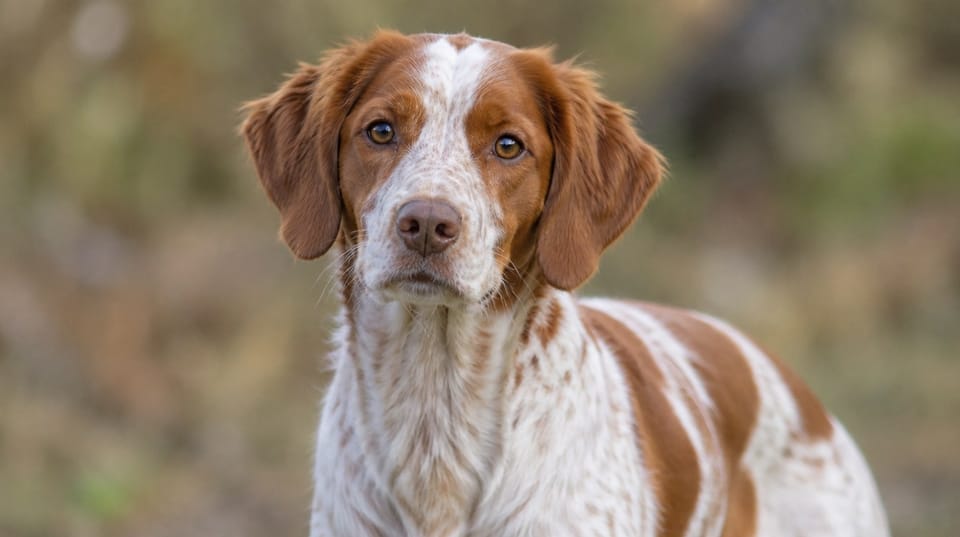
A Brittany wakes up cheerful and ready to go, and he would like you to be as well. Living with one means an eager, leggy, orange-and-white dog who checks the back door every half hour in case a trip to the field is on offer. He is a pointing dog from the French province that gave him his name, bred to hunt close to a walking hunter all day, then come home and sleep by the fire with the family.
That background gives you a dog who is busy outside and gentle inside. He is affectionate without being clingy, and soft in nature. He gets along well with children and with other dogs, and he is rarely quarrelsome. Strangers are met politely, sometimes a little shyly.
He is a sensitive soul. A Brittany wilts under a harsh voice, and some will urinate a few drops when greeted excitedly or scolded, especially as youngsters. Calm, kind handling brings out the best in him.
The first hard part is simple: this dog has an engine that does not quit. Without real exercise he becomes restless, noisy and destructive, and no amount of affection makes up for it. He is also a bird dog through and through. Pet birds are not safe around him, and cats should be introduced early and carefully.
Exercise and activity
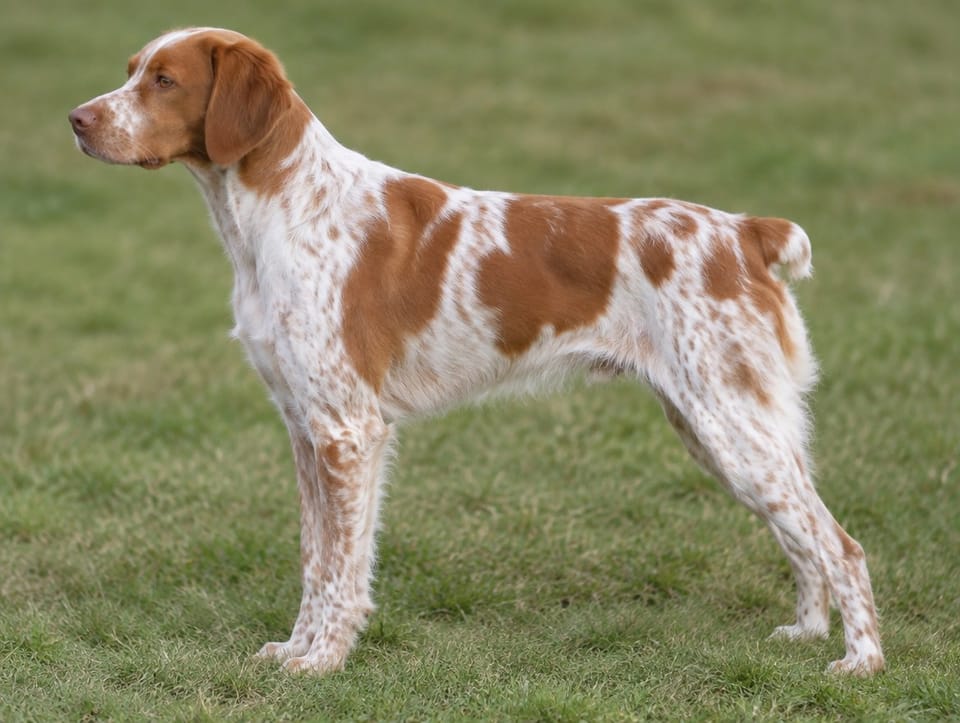
Plan on 90 minutes to two hours of vigorous exercise every day. This is one of the most energetic of the sporting breeds, and a leash walk on sidewalks does little for him.
He needs to run. Good options include off-leash time in a large fenced field, trail running, hiking, swimming, and long games of fetch. He makes an excellent jogging partner once he is fully grown, at about 18 months, and will happily cover five miles or more.
Give his nose work too. Hide a toy or a few treats in the yard and send him to find them. Many pet Brittanys enjoy hunt tests, agility and tracking, and a sport gives him an outlet a walk cannot.
The second hard part is keeping him safe. He ranges wide, follows his nose and will chase a bird across a road without a glance. Work on recall from puppyhood, use a long line until it is proven, and fence your yard well. Brittanys are athletic jumpers, so a five-foot fence is the minimum.
A Brittany can adapt to a smaller home if his exercise is done faithfully. A city apartment with two short walks a day will not work.
On rest days he copes better than you might expect, as long as they stay the exception.
Grooming and shedding
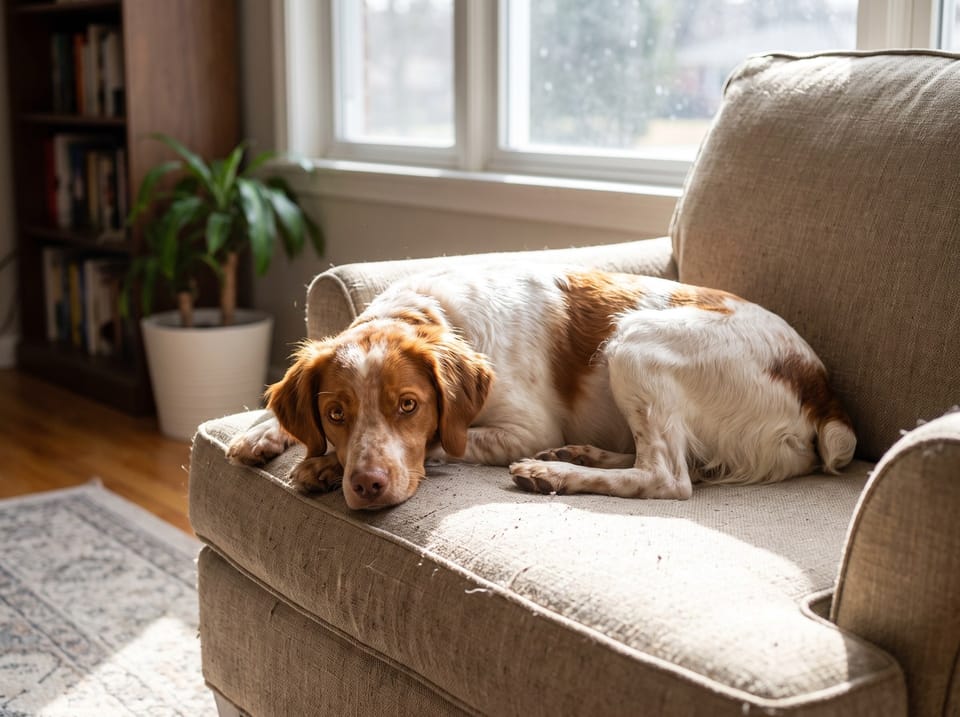
Good news here. The coat is dense, flat or wavy, and fairly short, with a little light feathering on the ears and the backs of the legs. It was designed not to catch in brambles, and it is easy to keep.
Brush once or twice a week for five to ten minutes. He sheds moderately, with a bit more in spring. After a run in rough country, check his coat, ears and between his toes for burrs, grass seeds and ticks.
Some owners tidy the hair on the neck, ears and feet every couple of months. A bath every six to eight weeks, or after a muddy day, is enough.
Look inside the drop ears every week and keep them clean and dry, particularly after swimming. Trim nails every three to four weeks and brush teeth several times a week.
Many Brittanys are born with a naturally short tail or no tail, and that is normal for the breed.
Training
Brittanys are quick, willing and keen to work with you, and training one is rewarding. He wants to get it right. Use food, praise and a thrown toy, and keep sessions short and upbeat, five to ten minutes at a time.
Stay gentle. A sharp correction can make a Brittany nervous and unwilling to try. If he makes a mistake, set the exercise up again more simply and reward success.
Recall is the skill to put first, and it deserves months of work. Start indoors, move to the yard, then to a long line in a quiet field, and pay generously every time he comes. Add a whistle, since it carries farther than your voice. Do not let him off the leash near roads until he comes away from birds.
Teach him to settle. An energetic young Brittany does not know how to switch off unless he is shown. Reward him for lying on a mat after exercise, and build up the time.
Start leaving him alone for short periods from the first weeks. He bonds closely and can fret if he is never taught that alone is safe.
Socialize him widely. Many people, places and sounds in his first four months will help a naturally soft dog grow up confident.
An active first-time owner can manage a Brittany well. A sedentary one, however experienced, cannot.
Health watchlist
The Brittany is a sturdy breed and usually lives 12 to 14 years. There are still some conditions to ask about.
Hip dysplasia, where the hip joint forms poorly and becomes arthritic, is the main inherited concern. The American Brittany Club asks that breeding dogs have their hips evaluated, and an eye exam by a veterinary eye specialist is also recommended. Ask to see the results for both parents.
Epilepsy occurs in some lines. There is no screening test for it, so ask the breeder directly whether any relatives have had seizures. An underactive thyroid can appear in middle age and is sometimes checked for in breeding dogs. Skin allergies occur as well.
Ear infections are fairly common because of the drop ears and the love of water. Active dogs who run in rough cover also pick up cuts, torn nails and grass seeds, so check him over after outings.
Brittanys are usually lean by nature. If yours is getting heavy, he is probably getting too little exercise as well as too much food.
Talk to your vet about screening, ear care and how to build up exercise safely in a growing puppy.
Is this breed right for you?
A great fit if
- you run, hike or hunt and want a dog who can keep up all day
- you want a gentle, sweet-natured dog around children
- you prefer a medium-sized dog with an easy coat
- you have a well-fenced yard or regular access to open land
- you enjoy training and would like to try a dog sport
Think twice if
- your idea of exercise is a half-hour stroll
- you live in an apartment in a city
- you keep pet birds or free-ranging poultry
- the dog would be alone for a full working day
- you tend to raise your voice when frustrated
Similar breeds
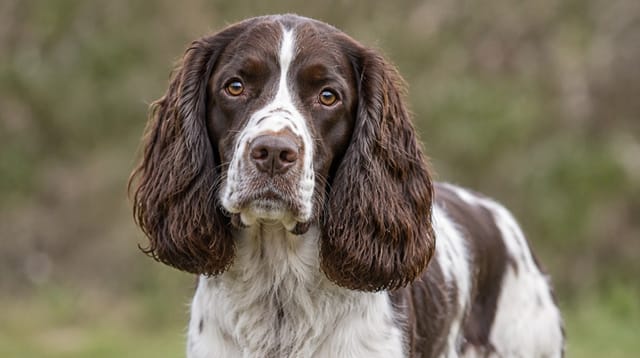 English Springer SpanielA merry, affectionate, easy-to-train gundog that needs plenty of exercise, company and ear care.
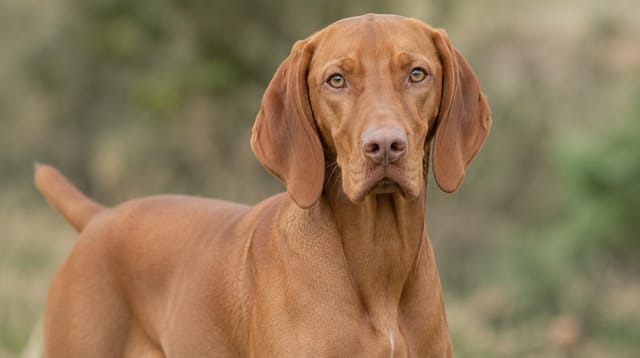 VizslaA red-gold, endlessly energetic gundog who sticks to his people like Velcro and hates being left.
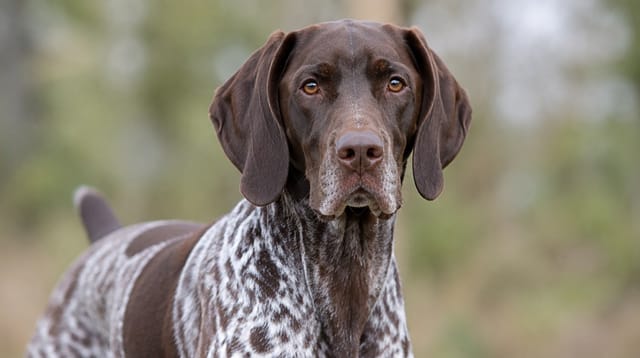 German Shorthaired PointerA tireless, affectionate bird dog for runners and hunters; too much dog for a quiet household.