
At a glance
- Group
- Herding
- Size
- Large
- Weight
- 40–80 lb
- Height
- 22–26 in
- Lifespan
- 14–16 years
Temperament
Most people meet the Belgian Malinois on the news, jumping from a helicopter or working beside a police officer. Those dogs are real, and so is the distance between that picture and a family pet. We will say it at the start: this is a breed for very few homes, and its own national club says the same.
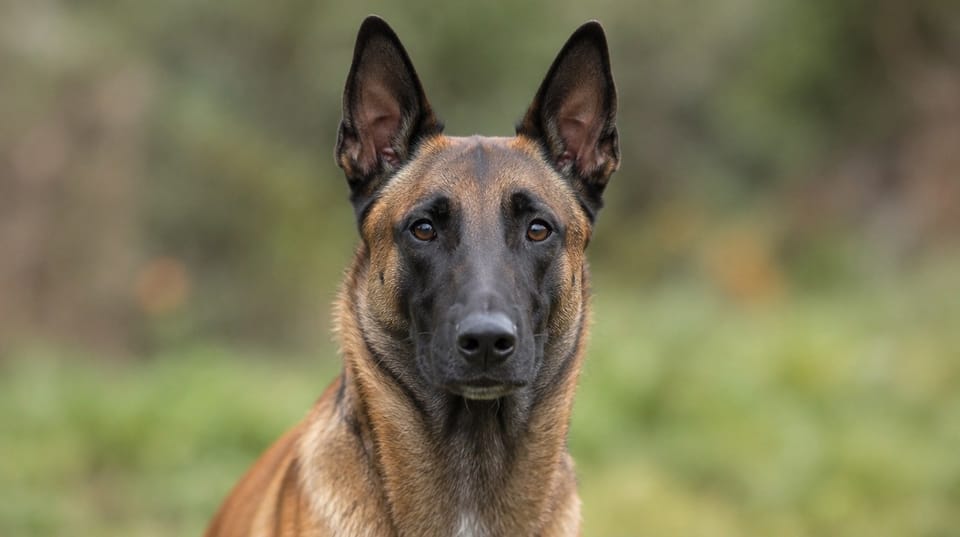
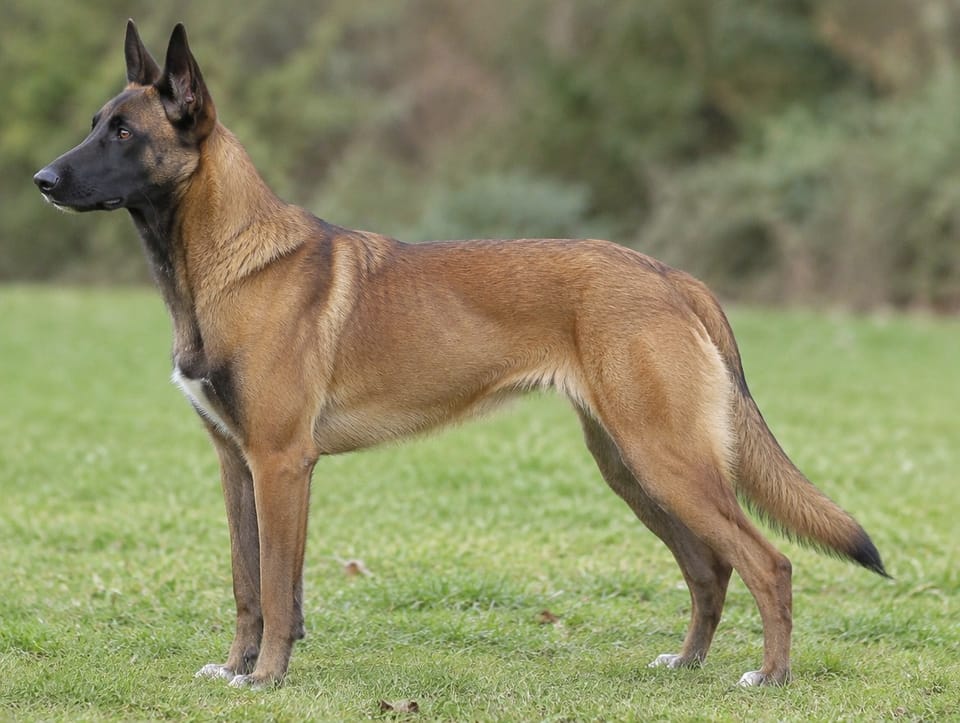
The Malinois is a herding dog from the area around the Belgian city of Mechelen, shaped over a century into one of the hardest-working dogs alive. Living with one means a lean, fawn-colored athlete who watches you constantly and wants to do something with you now. He is intense, fast and extremely responsive. He bonds to his handler with a closeness few breeds match, and he follows that person from room to room.
He is naturally protective and watchful. With strangers he is reserved, and he needs to be taught from puppyhood that ordinary visitors are no concern of his.
He also uses his mouth. Malinois grab, tug and nip at movement by instinct, and a young one will bite at sleeves, ankles and running children. He has a strong urge to chase, which makes small pets, joggers and bicycles a problem. For these reasons we do not suggest him for homes with young children.
A Malinois without work does not get lazy. He gets worse: spinning, barking, tearing up crates and floors, or becoming reactive.
Exercise and activity
An adult Malinois needs at least two hours a day of exercise and training together, and many need more. A long walk does almost nothing for him.
He needs to run hard, and he needs a task. Think running or biking with him for several miles, fetch and tug used as rewards, and then structured work. Obedience, tracking, scent detection, agility, herding and protection sports are what this breed was made for. Most successful pet owners train in at least one sport several times a week and practice daily.
Mental work tires him more than miles. Twenty minutes of searching for a hidden object or learning a new skill settles him better than an hour of jogging.
This need never takes a day off. Rain, illness, a new baby, a busy week at work: he needs the same on all of them. That relentlessness is the first hard part, and it lasts for most of his life. Malinois often stay driven past the age of ten.
A securely fenced yard, six feet high, is close to essential. He can clear lower fences easily. He is not a dog for an apartment.
Grooming and shedding
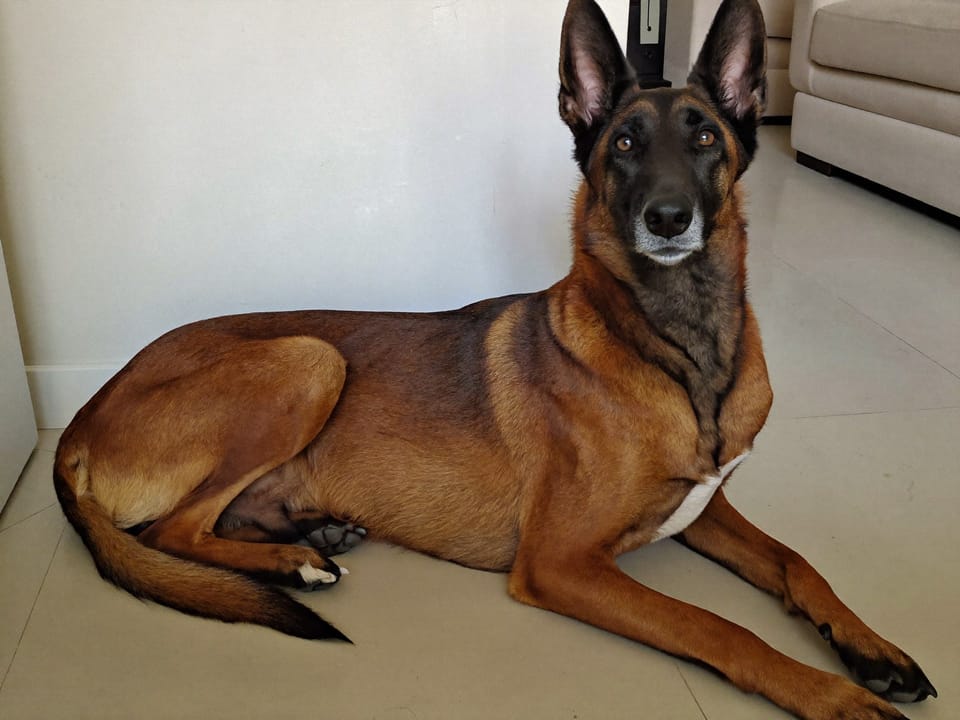
This is the easy section. The coat is short, straight and weather-resistant, with a dense undercoat. It is a little longer around the neck and on the tail and the backs of the thighs.
Brush once a week with a firm bristle brush or rubber mitt. He sheds moderately through the year and heavily twice a year, when daily brushing for two or three weeks keeps the loose undercoat under control. People who expect a short coat to mean little hair are often surprised.
Bathe only when he is dirty. Trim nails every three to four weeks, check ears weekly and brush teeth several times a week. Get him used to being handled all over as a puppy. It makes vet visits with a strong, quick adult far easier.
Training
The Malinois is one of the most trainable dogs in the world. He learns in a couple of repetitions and works with total commitment. That is why he is hard. Everything you do teaches him something, and a mistake repeated a few times becomes a habit performed at full speed.
The second hard part is that he needs an experienced handler. Timing, consistency and calm matter more with this breed than with almost any other. Use reward-based methods built on food, toys and play. He is sensitive beneath the toughness, and heavy-handed training produces a dog who is either anxious or defensive. If you have not trained a working dog before, find a trainer who knows the breed before the puppy comes home, not after trouble starts.
Socialization is urgent and ongoing. From eight weeks, introduce him calmly to many people, dogs, places, noises and surfaces, and keep going through the second year. A poorly socialized Malinois can become fearful or aggressive, and in a dog this fast and strong that is dangerous.
Teach an off switch from the first week. Reward him for lying still on a mat and in his crate, and practice daily. Teach him to control his mouth: bites go on a tug toy, and never on skin or clothes. Teach him to stay calm when something exciting passes by.
Never encourage protection behavior at home. Protection sport belongs in a club under expert guidance.
Health watchlist
The Malinois is a sound, athletic breed, and 14 to 16 years is a typical lifespan, which is long for a dog of this size.
Hip and elbow dysplasia, where the joints form poorly and become arthritic, are the main inherited concerns. Eye conditions, including cataracts and progressive retinal atrophy, are also seen. The American Belgian Malinois Club asks that breeding dogs have hips and elbows evaluated and eyes examined by a veterinary eye specialist. Ask for the results on both parents.
Epilepsy occurs in the Belgian breeds, and no screening test is available, so ask the breeder about seizures in the family. Certain cancers and thyroid problems are also reported. As hard-driving athletes, Malinois pick up injuries: torn nails, strained muscles, damaged teeth and cut pads.
Temperament is as inherited as hips. Lines bred for police and sport work can be far more intense than those bred for the show ring. Meet the parents, and choose a breeder who asks you hard questions.
Many Malinois are given up between one and two years old. If you are experienced and set on the breed, a breed rescue is worth contacting.
Talk to your vet about joint screening, safe conditioning for a canine athlete and anything unusual in his movement or behavior.
Is this breed right for you?
A great fit if
- you have trained working or sport dogs before
- you want a dog sport to be a major part of your life
- you can give two hours or more every day, for a decade
- you have a house with a tall, secure fence
- you are with your dog for most of the day
Think twice if
- this is your first dog, or your first demanding one
- you want a family pet that looks like a police dog
- you have young children or cats
- you work long hours away from home
- you live in an apartment
Similar breeds
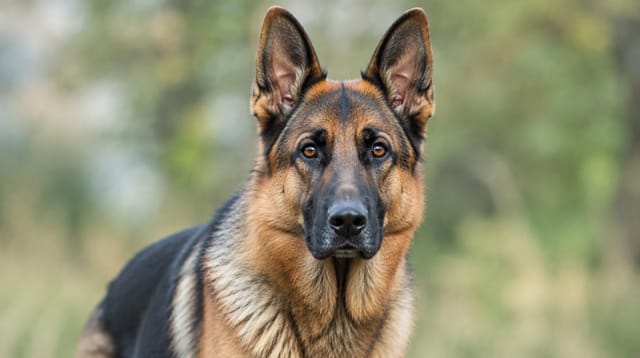 German Shepherd DogA loyal, highly trainable working dog that bonds closely with its family and needs daily exercise, training and a job to do.
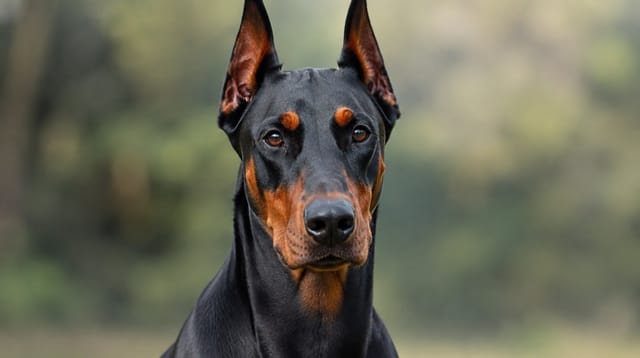 Doberman PinscherA sleek, devoted, highly trainable guardian that needs daily hard exercise and an experienced owner.
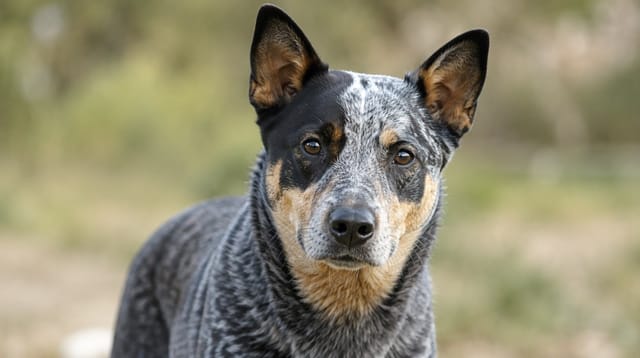 Australian Cattle DogA tough, brilliant, tireless herding dog for experienced owners who can give him hours of work a day.